MCP Sprawl
Without a governed path, agents, tools, and private APIs become a tangle of one-off connections.
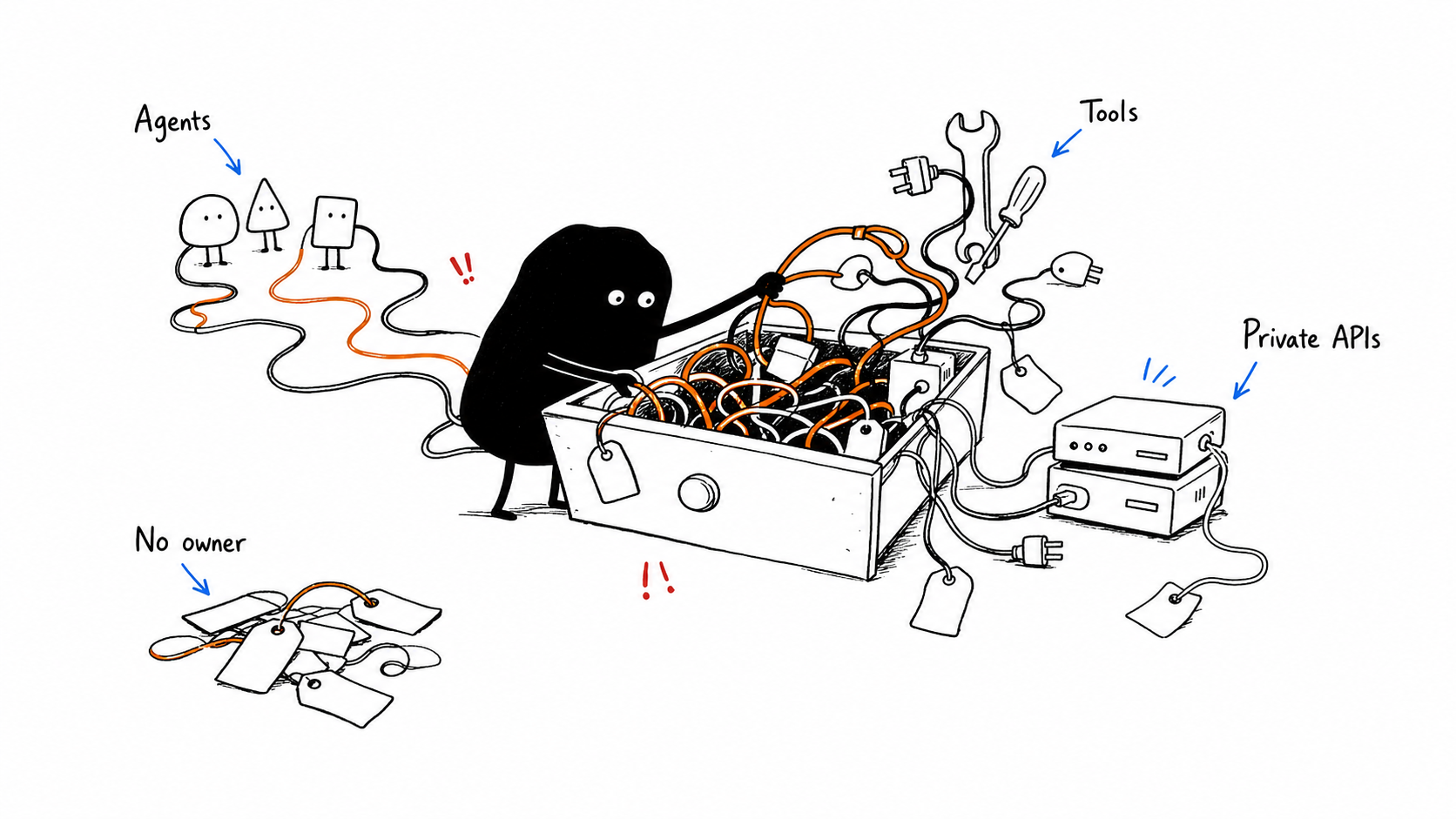
Why it mattersSecurity and platform teams need ownership, routing, policy, and audit before MCP adoption spreads across teams.
One Governed Path
Approved MCP traffic moves through one policy gate instead of many bespoke integrations.
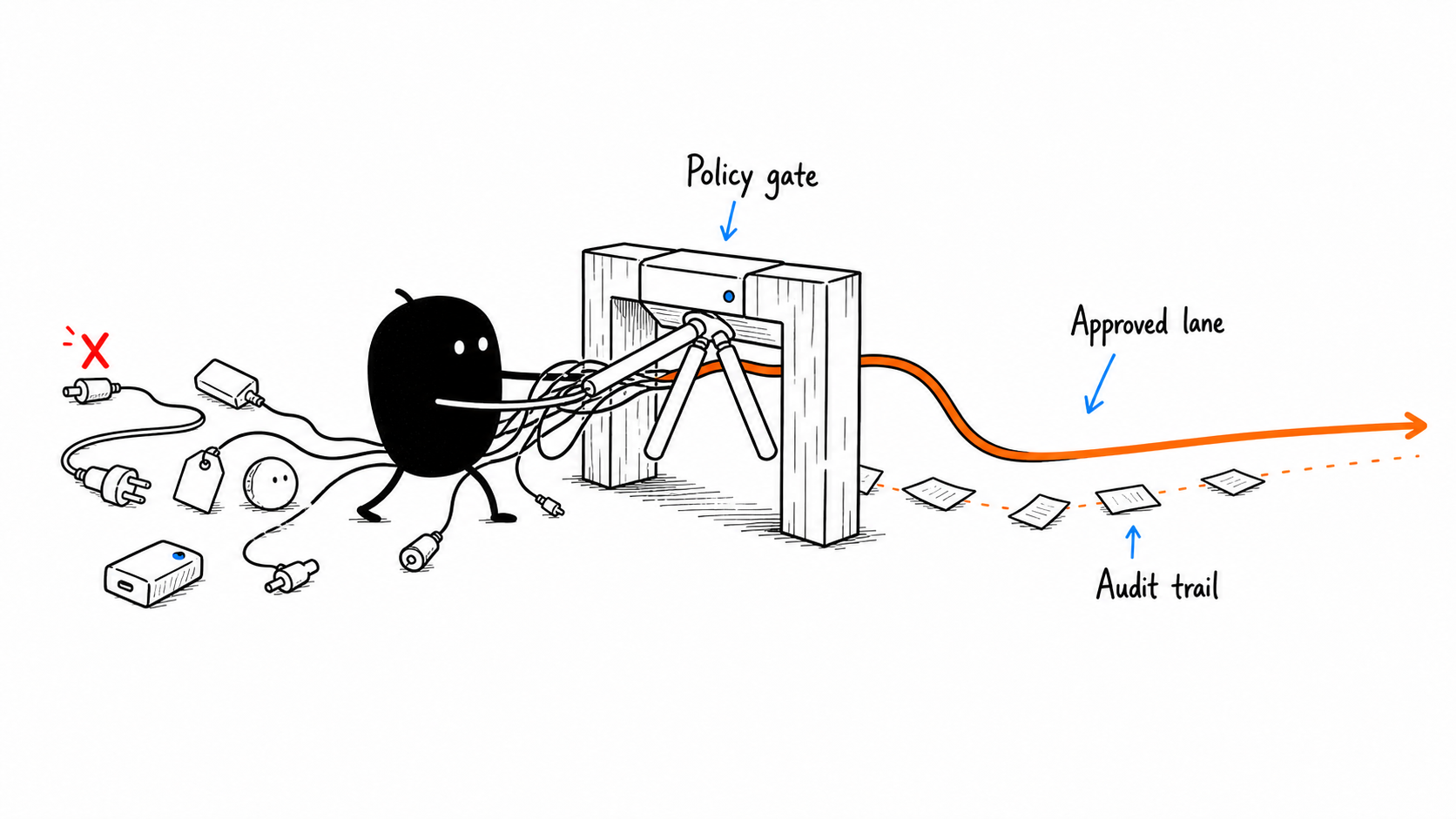
Why it mattersThe gateway becomes the shared enforcement point for identity, policy, credentials, routing, sessions, and audit.
Deploy Where Trust Requires
The runtime can be deployed in hybrid mode or fully self-hosted mode, depending on the customer's trust boundary.
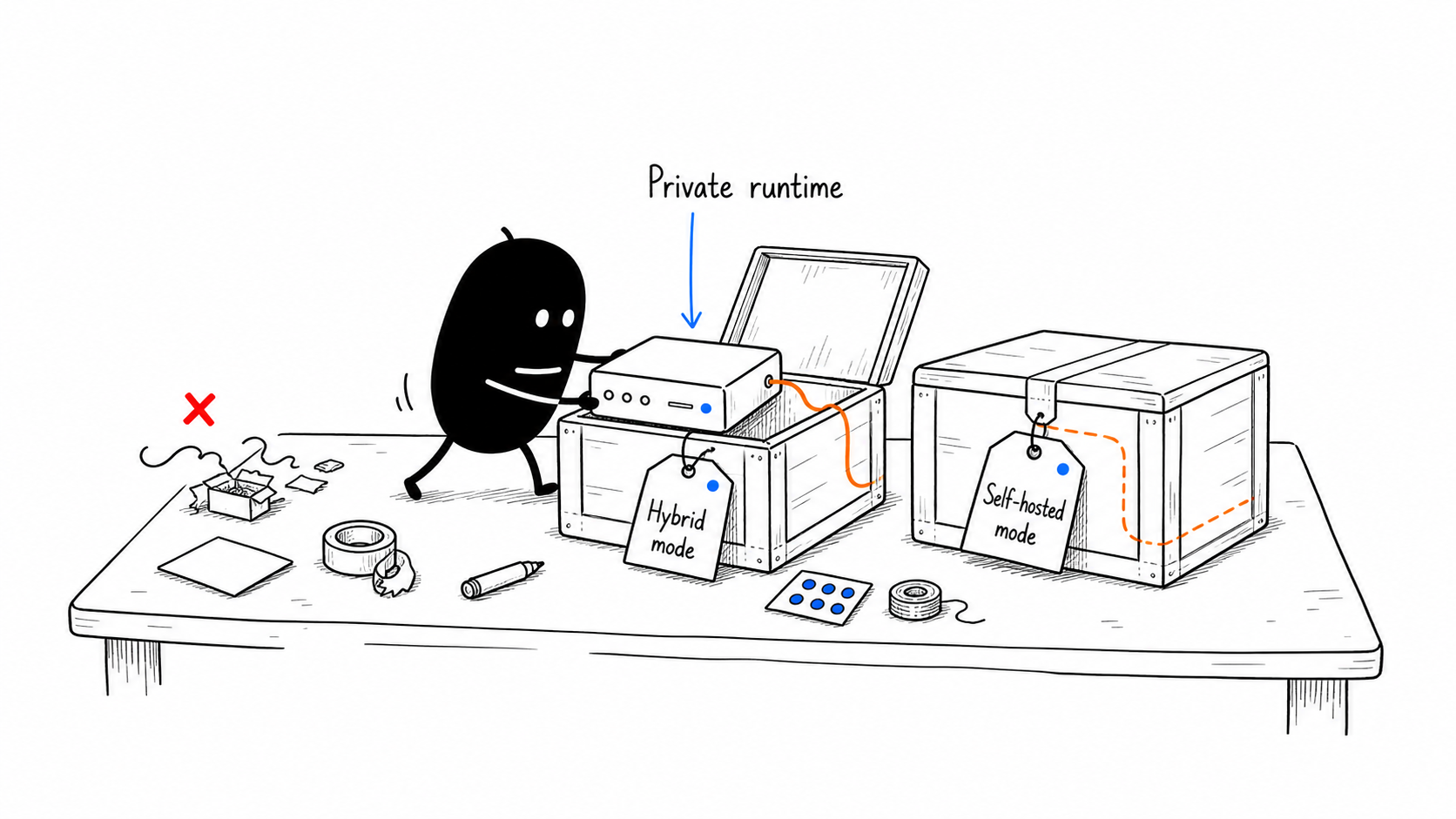
Why it mattersPrivate runtime traffic and customer-controlled infrastructure can stay inside the environment the customer requires.
Register A Capability
Server and API owners register capabilities with owner, risk, endpoint, and environment metadata.
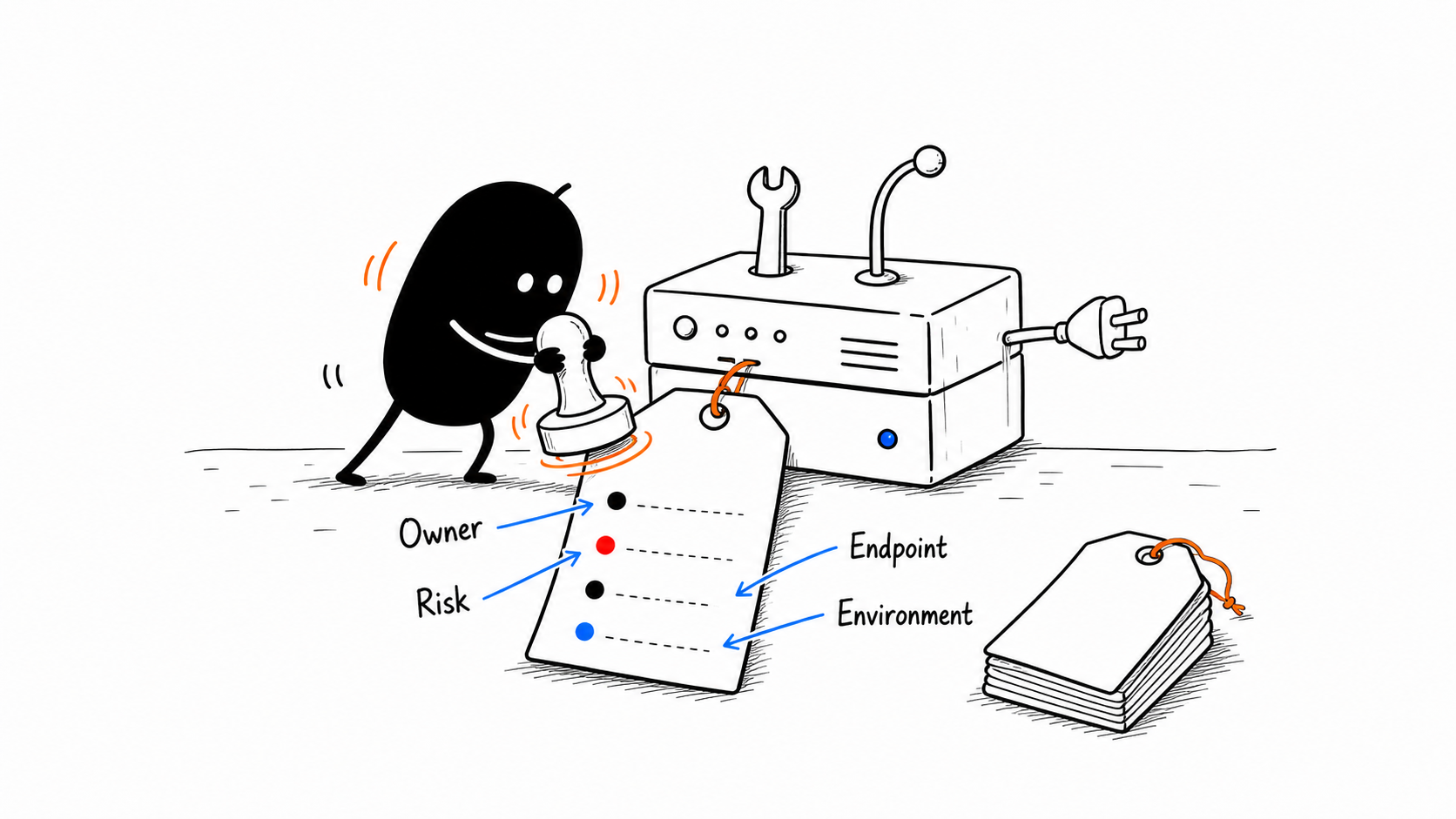
Why it mattersA tool cannot be governed until the gateway knows what it is, who owns it, where it runs, and how risky it is.
Convert APIs Safely
Selected REST/OpenAPI operations can be approved and exposed as governed MCP tools.
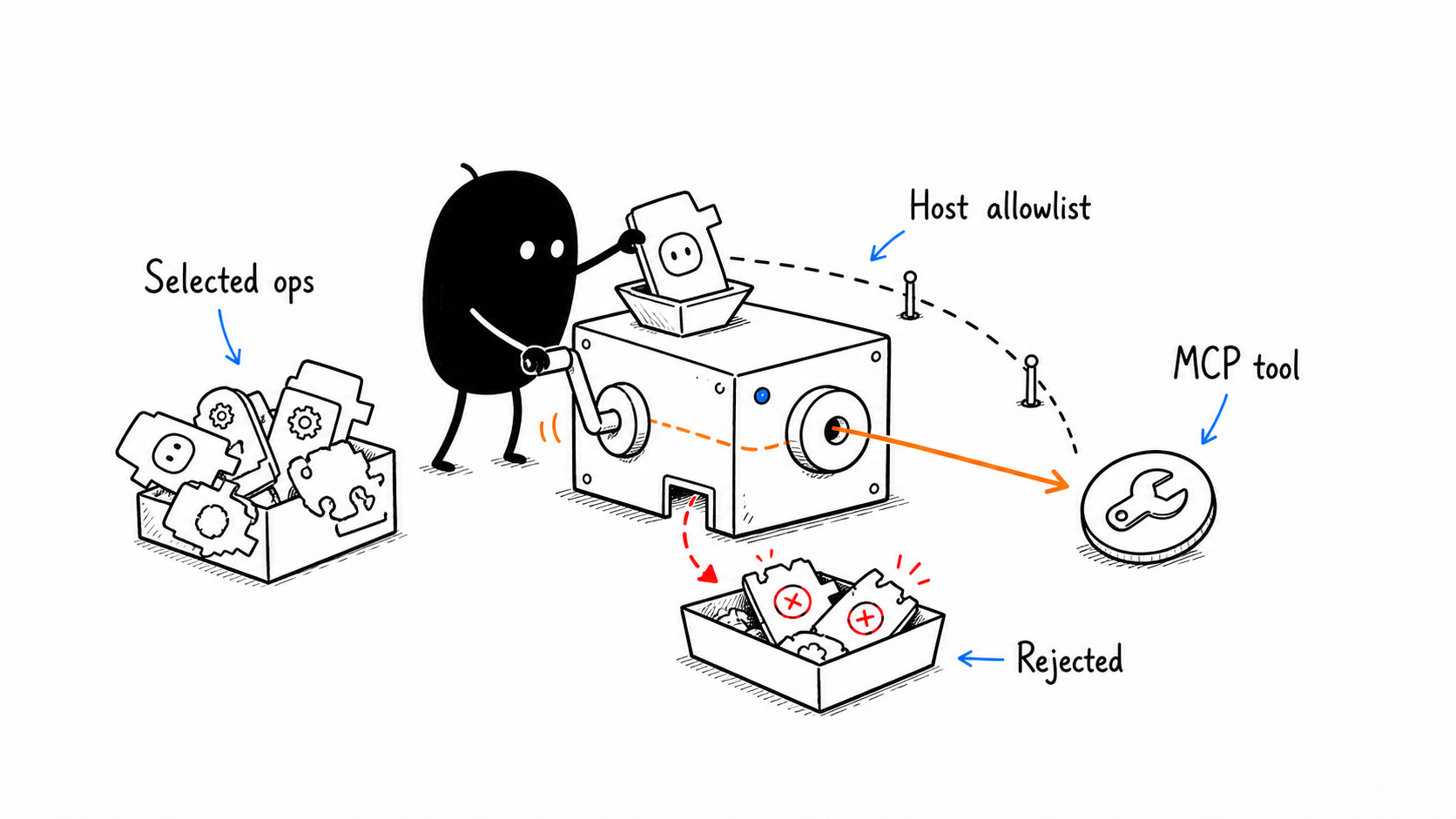
Why it mattersEnterprises can reuse existing internal APIs without blindly publishing every operation or bypassing policy.
Approve A Snapshot
Approved capabilities are tied to versioned metadata, policy references, and a recorded snapshot.
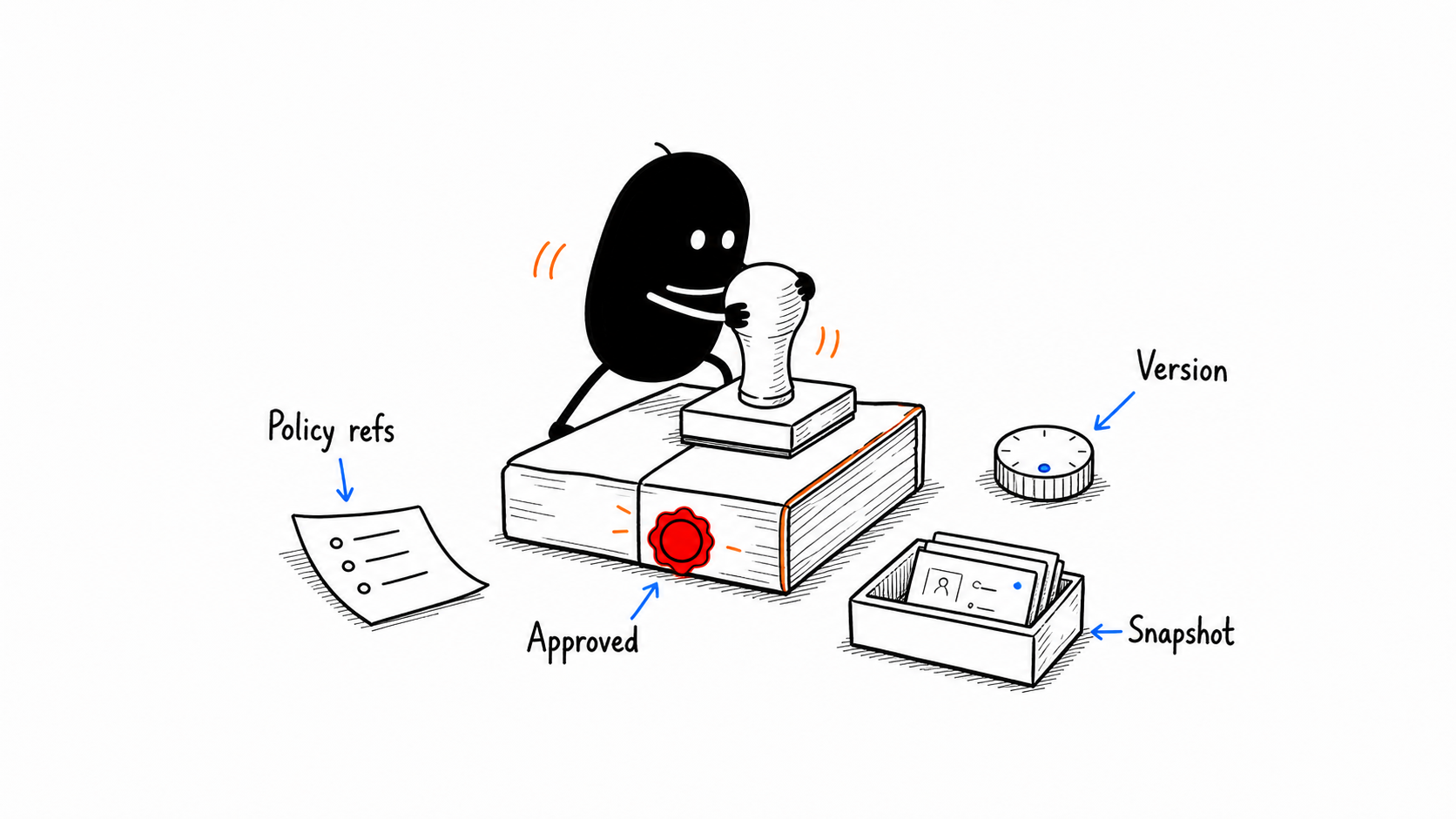
Why it mattersRuntime decisions can point back to what was approved, which policy was in force, and which version was used.
Make Agents Accountable
Agents are registered with owner, client surface, environment, and credential mode.
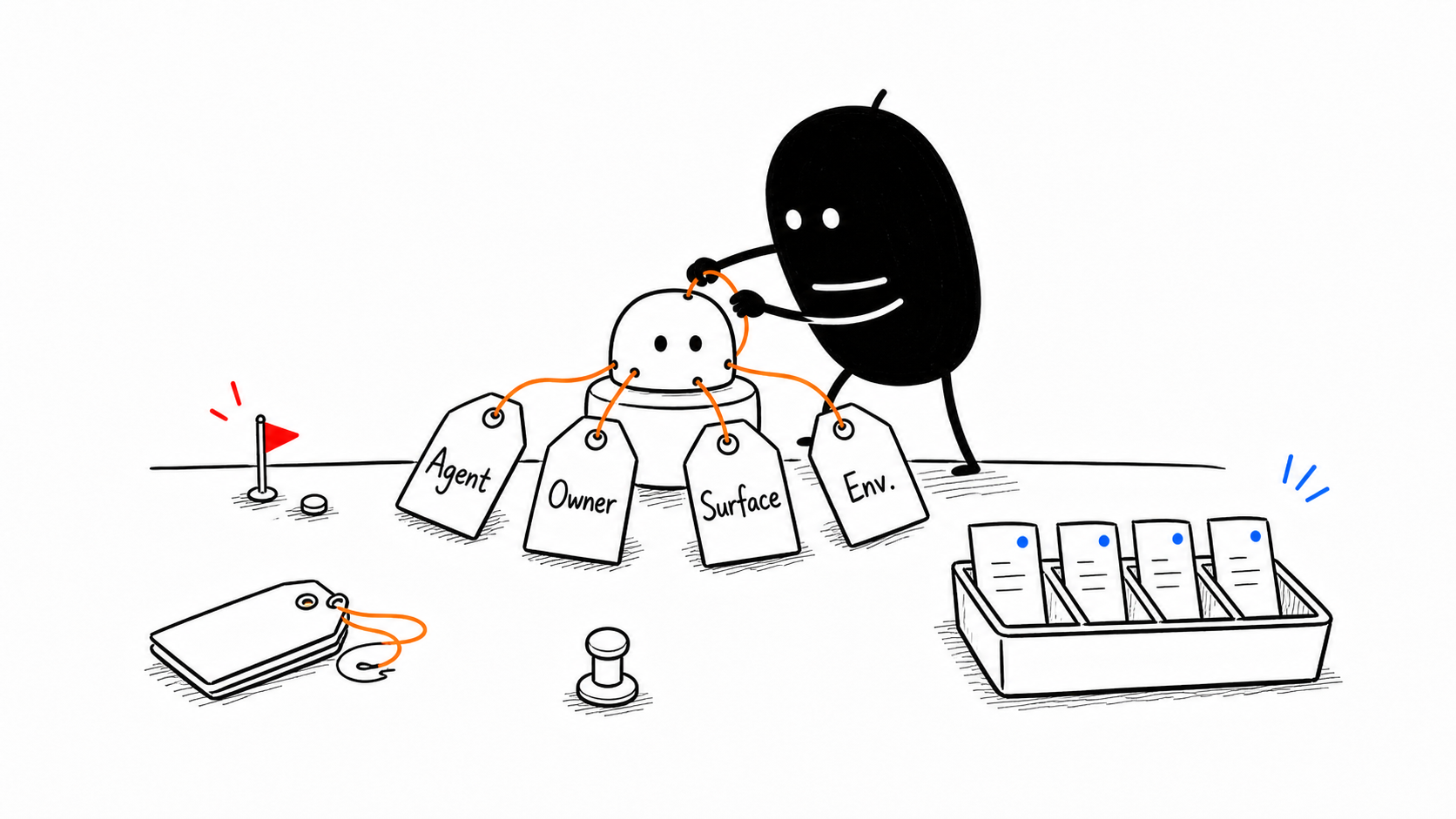
Why it mattersNon-human agents should not be treated as loose API keys; every call needs attributable actor context.
Filter Discovery
Agents only discover tools that policy allows them to see.
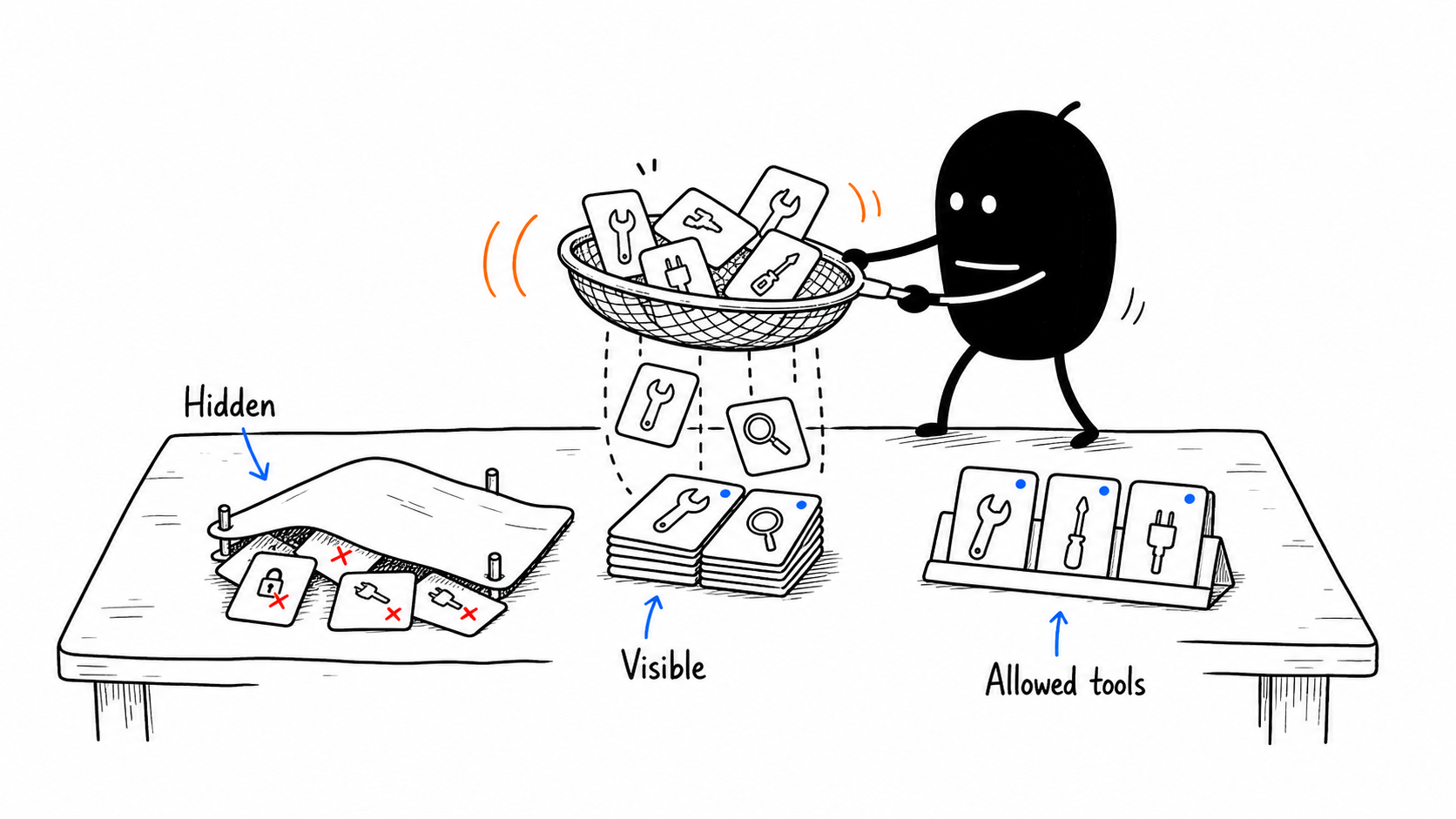
Why it mattersUnauthorized tools are hidden before use, not merely denied after the agent has already seen them.
Govern Each Call
Each tool-call request is checked for authentication, policy, schema, and registered routing.
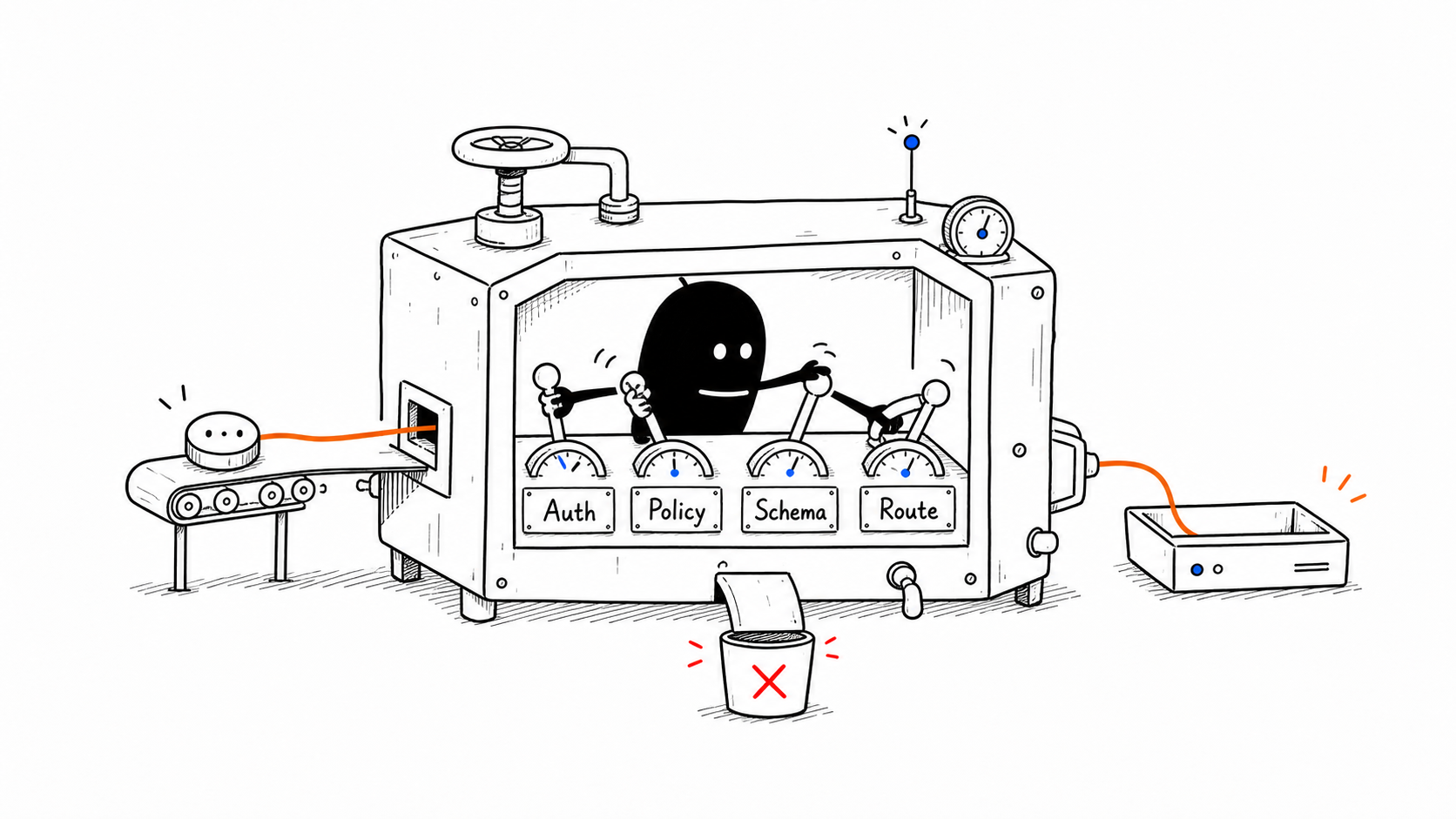
Why it mattersEvery allowed call has a clear reason to proceed, and every denied call has a machine-readable reason to stop.
Broker Credentials
Credentials are resolved through the gateway and customer secret stores, not handed raw to agents.
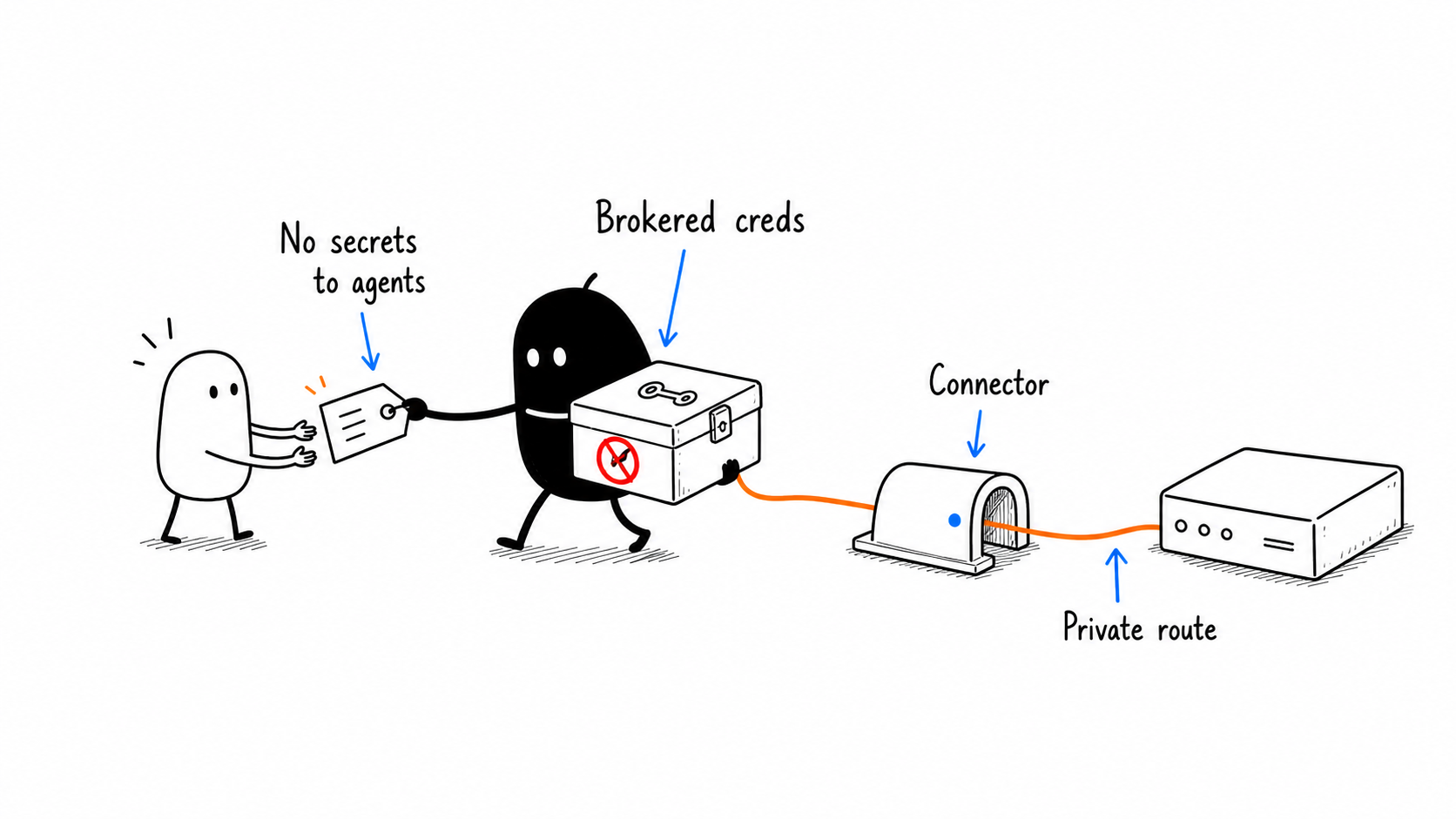
Why it mattersService, delegated, and agent-scoped credentials can be governed centrally while private routes stay private.
Control Sessions
Stateful sessions have IDs, duration limits, reconnect behavior where supported, and revocation controls.
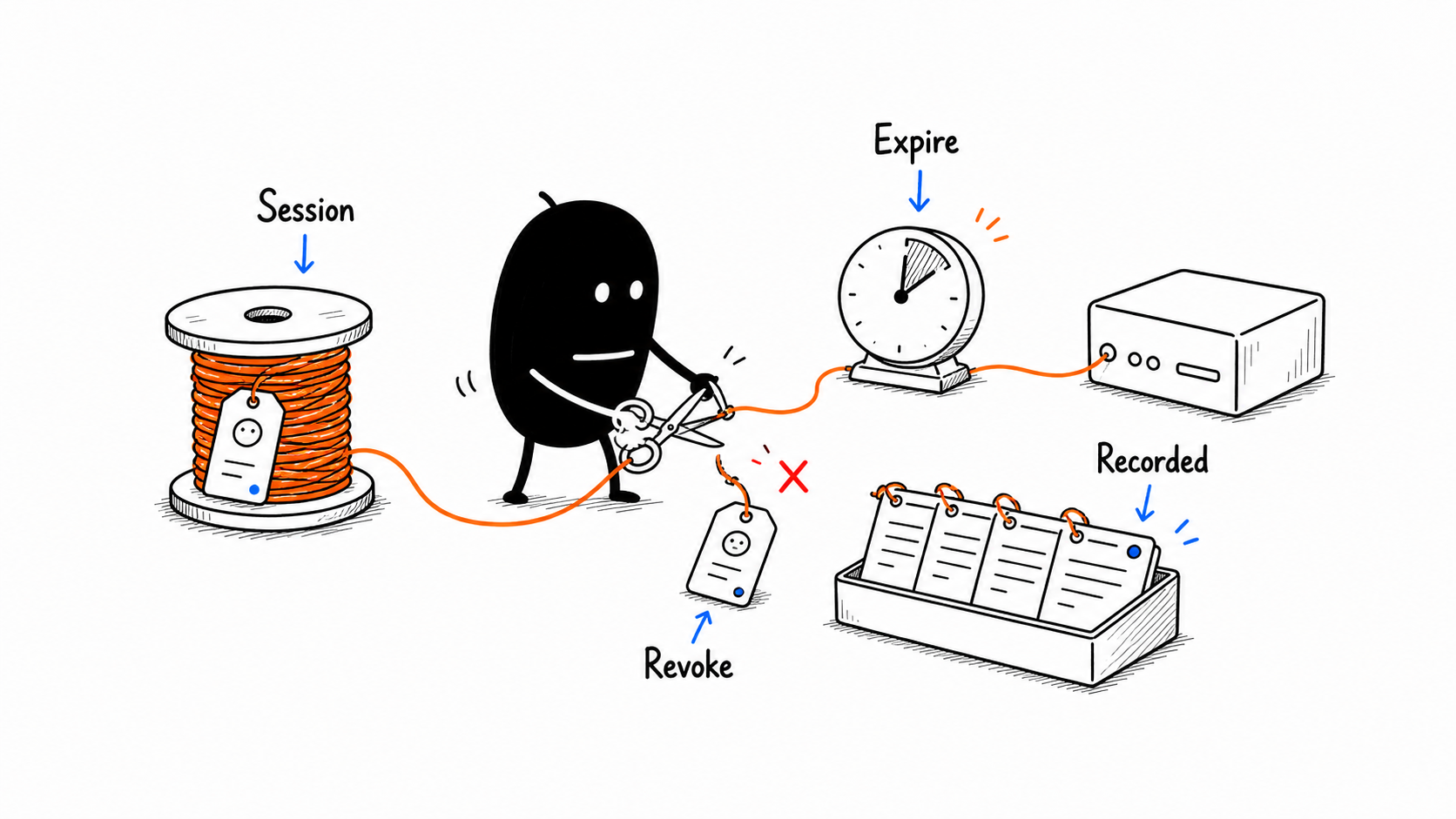
Why it mattersLong-running sessions need lifecycle control, not just one-time request checks.
Leave An Audit Trail
Every call should leave a record of who acted, which policy decided, which credential mode was used, and what happened.
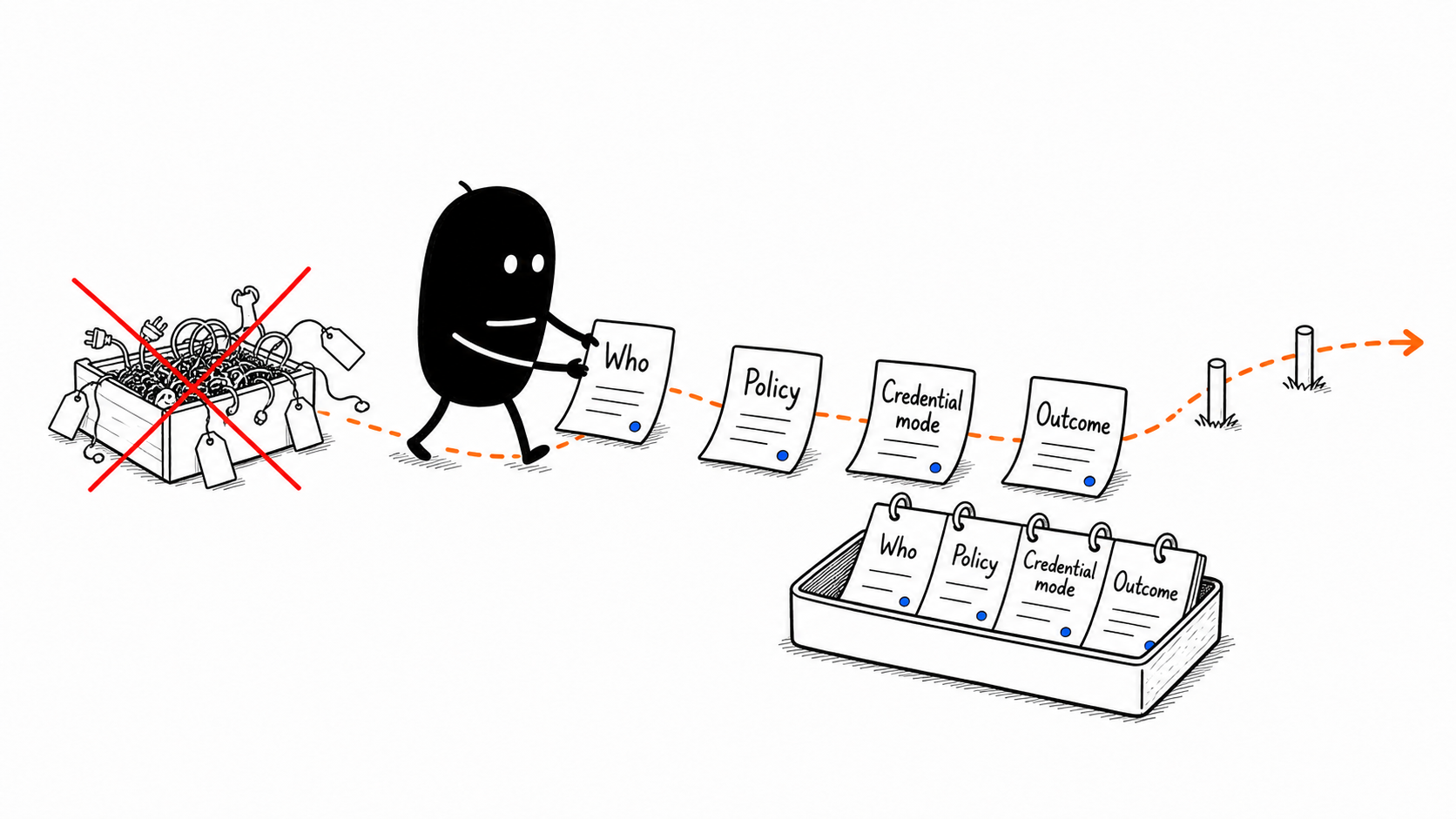
Why it mattersSecurity teams can investigate, export, and respond without reconstructing events from scattered server logs.
Start here
See the governed path on your own stack
We are looking for teams who want to work closely with us on governed MCP adoption.
The best first pilot is narrow: register one private MCP server, convert one selected REST/OpenAPI operation, attach policy and credentials, then run real agent calls through the gateway with audit enabled.
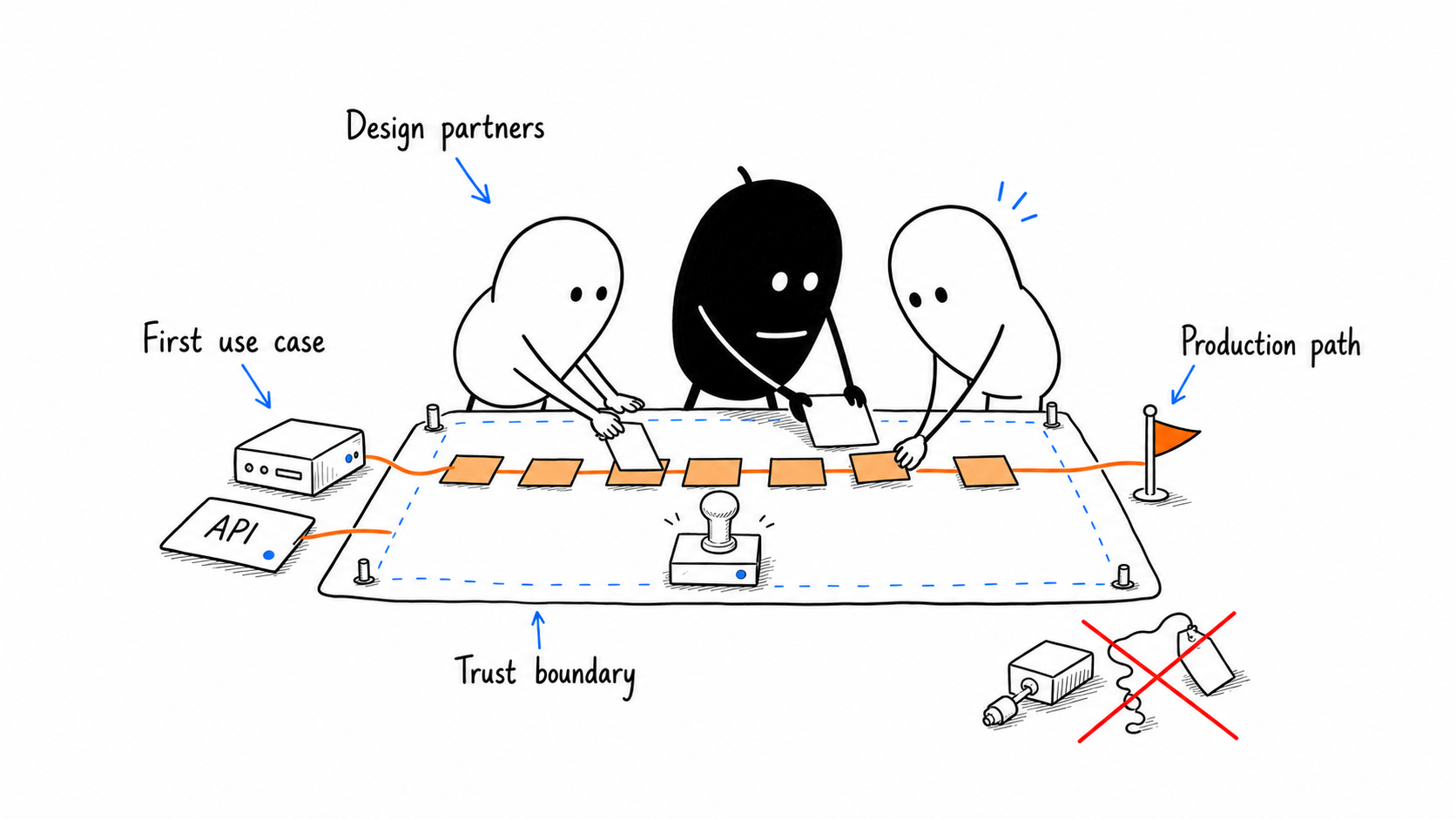
If your security, platform, or AI infrastructure teams are already experimenting with MCP, we would like to partner with you directly: map your first use case, deploy inside your trust boundary, and build the governance path your teams can actually use in production.
Book a walkthrough