Private Systems Stay Inside
Private MCP servers and internal APIs stay inside the customer network.
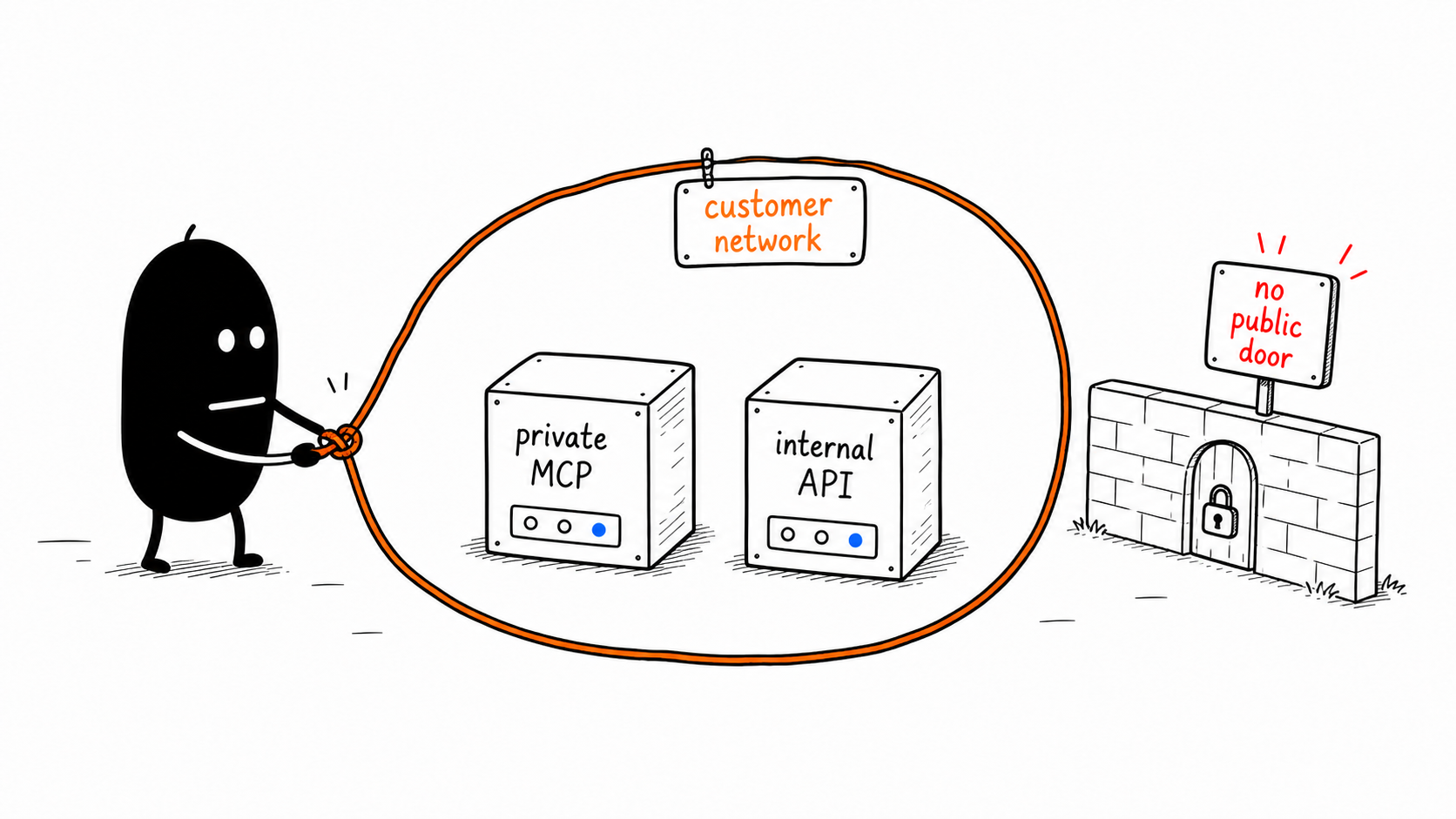
Why it mattersMCP adoption should not require public doors to private systems.
Gateway Picks Private Route
Gateway policy selects the approved private route instead of a public road.
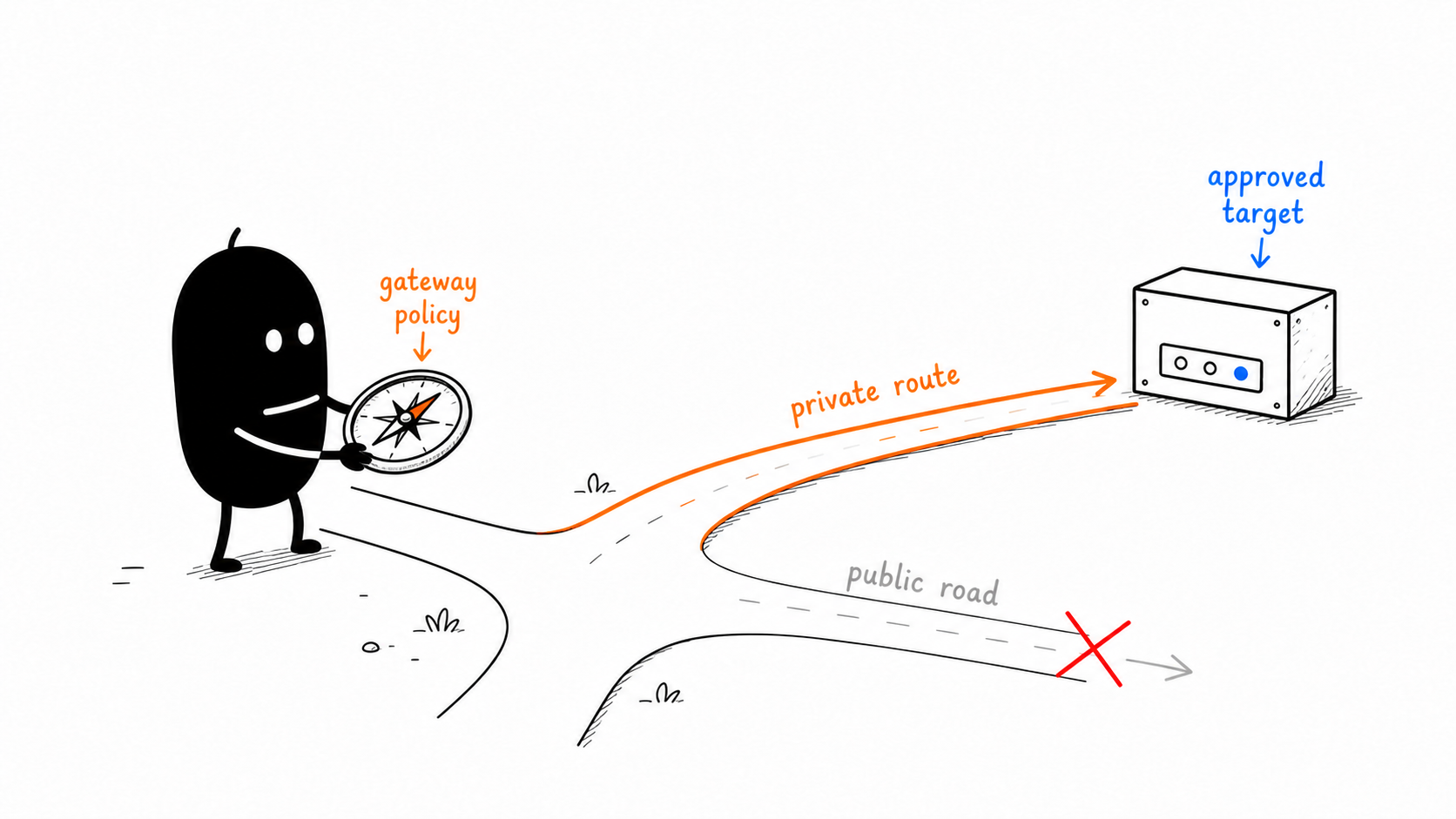
Why it mattersRouting is part of governance, not just connectivity.
Direct Private Endpoint
A sealed route connects direct and private endpoints without a public hop.
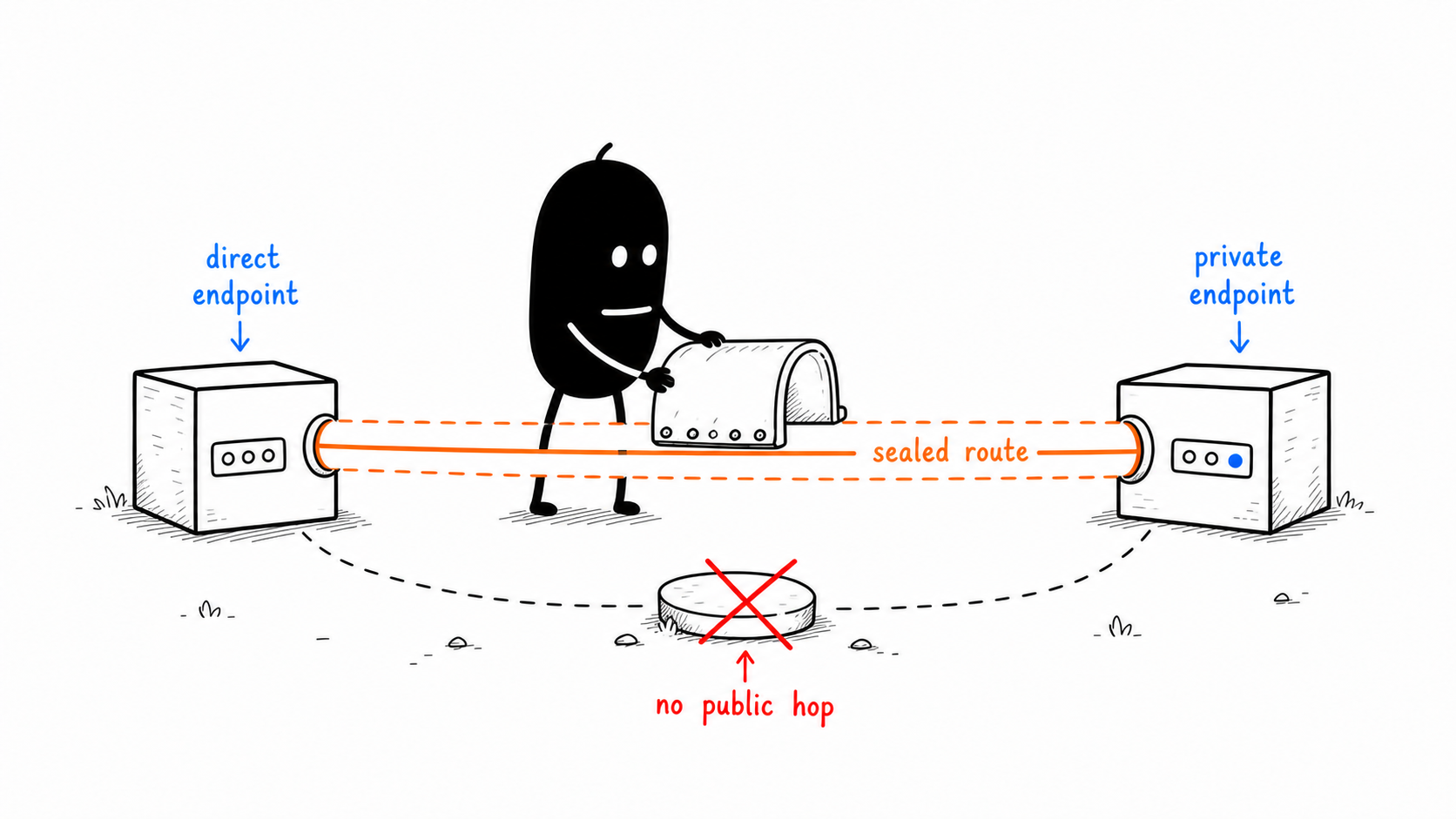
Why it mattersThe path should match the customer's trust boundary.
Outbound-Only Connector
An outbound-only connector avoids inbound knocks while maintaining the approved path.
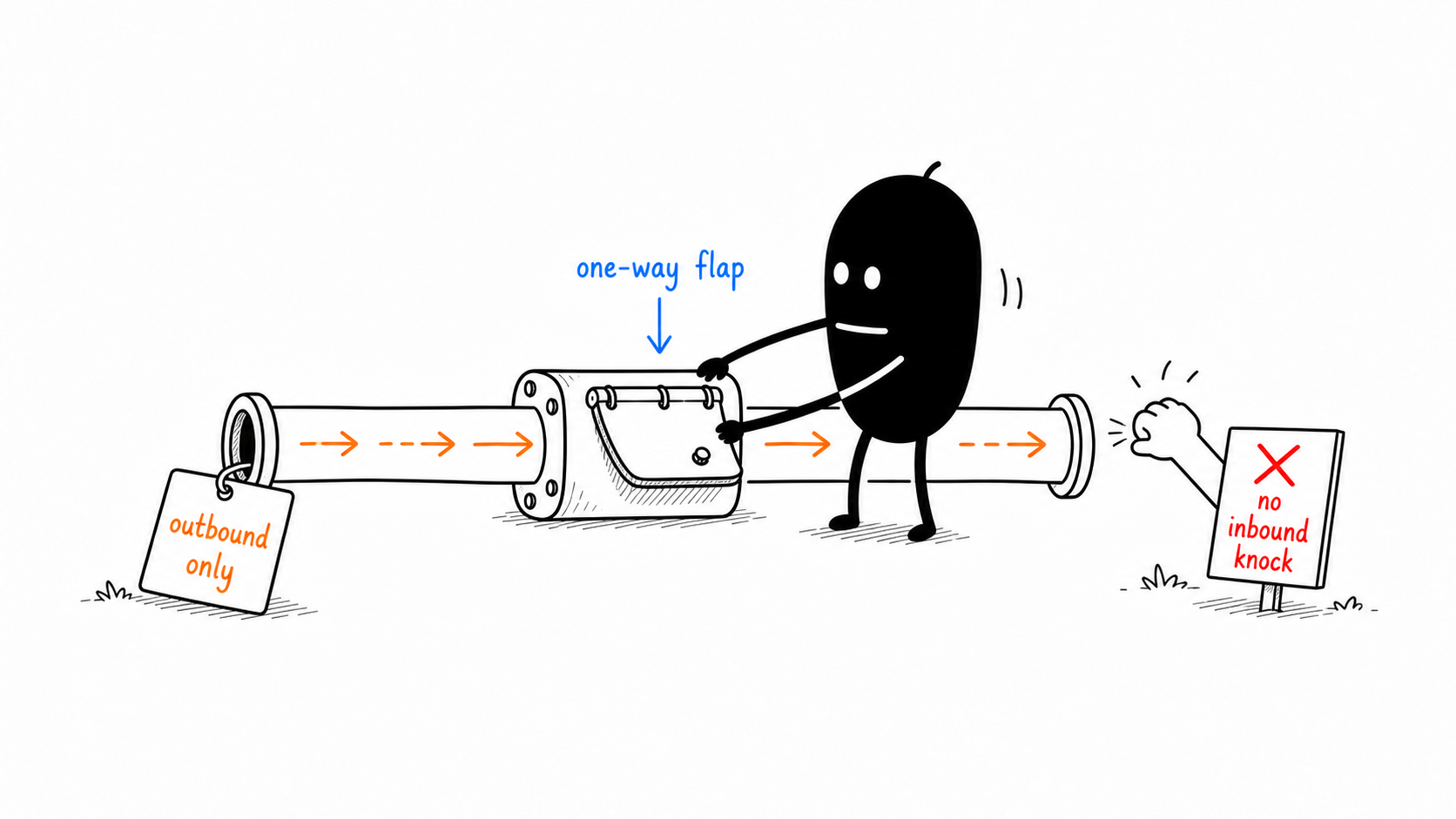
Why it mattersMany teams can accept outbound posture more readily than inbound exposure.
Connector Auth Seal
Connector authentication verifies trusted peers and rejects mismatches.
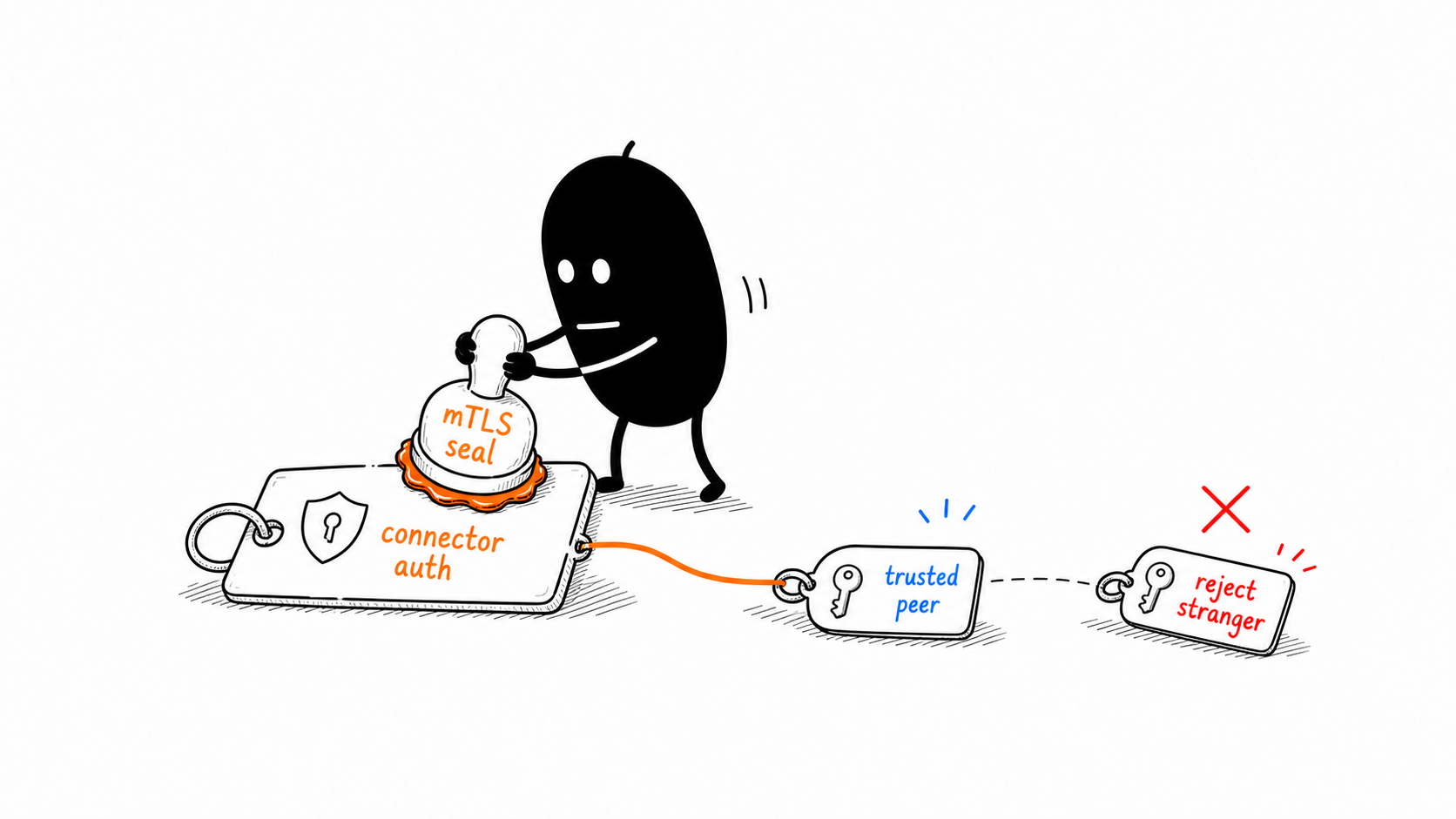
Why it mattersPrivate routing still needs strong connector identity.
Per-Backend Allowlists
Each backend can allow only approved sources.
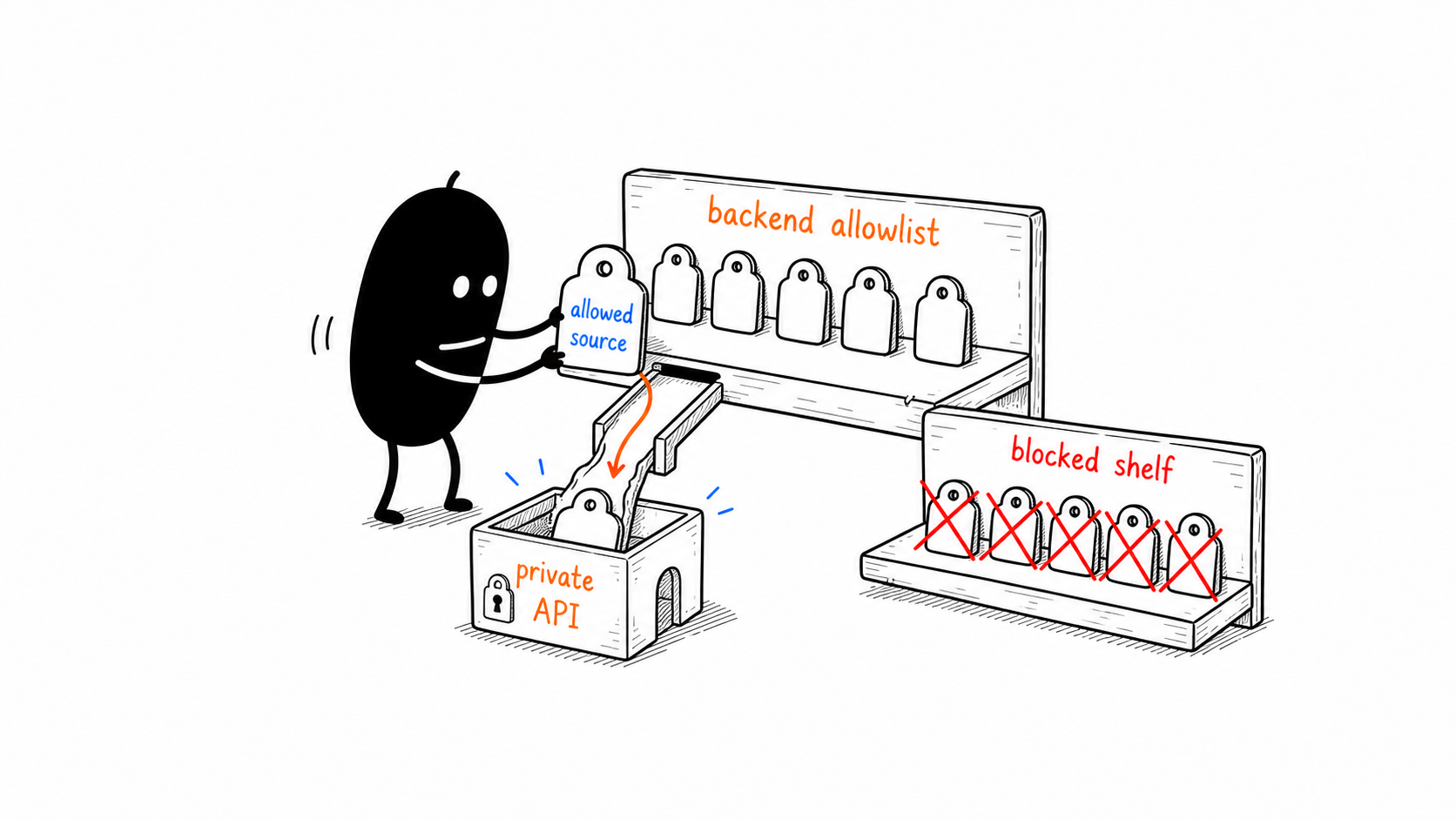
Why it mattersA connector path should not become blanket access to every backend.
Private MCP Tool Call
A tool request travels through the connector path and returns a private MCP result.
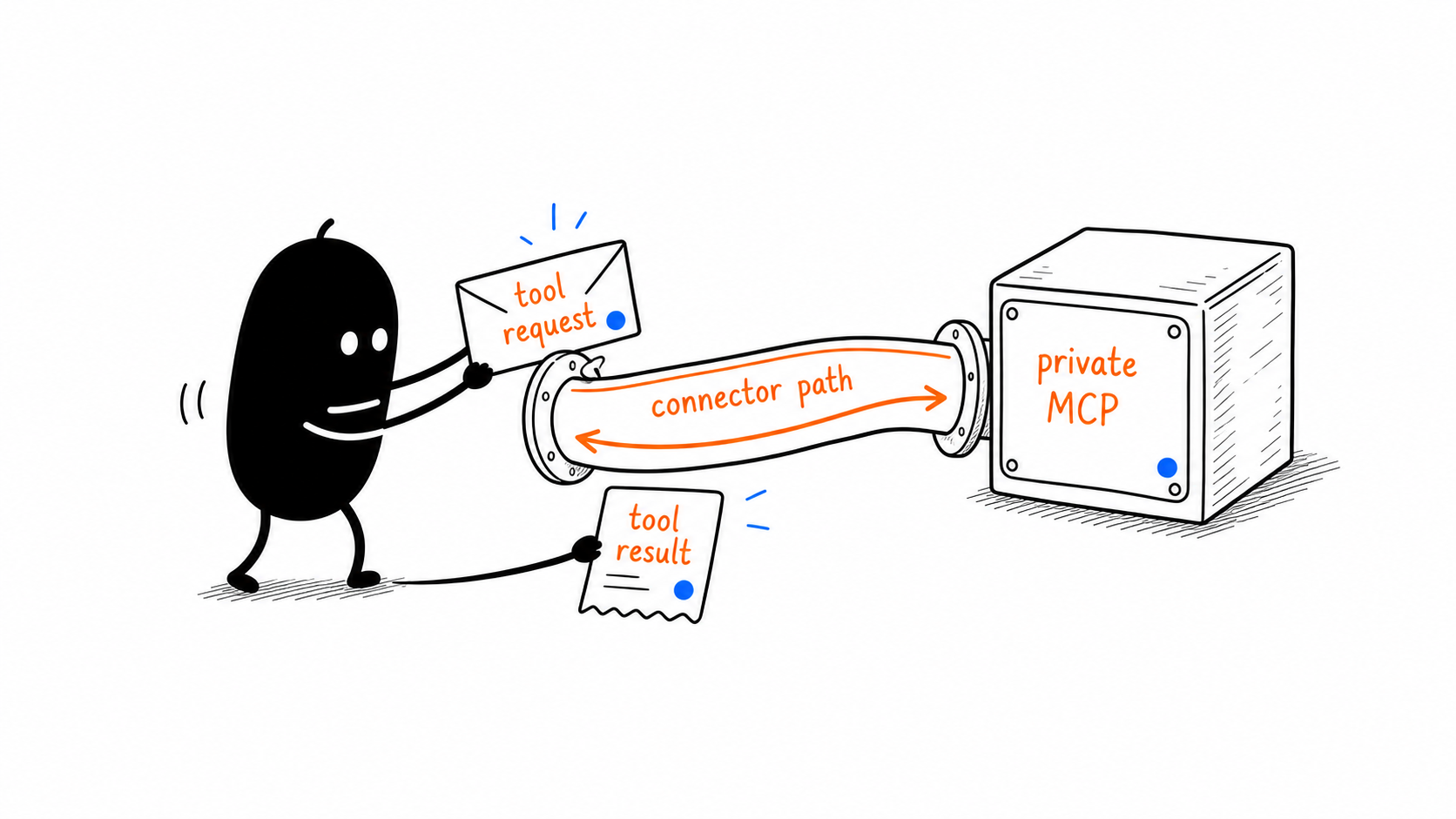
Why it mattersThe route should be observable through real work, not only drawn as a network path.
Internal API Private Route
Selected internal API operations can stay private while becoming governed MCP tools.
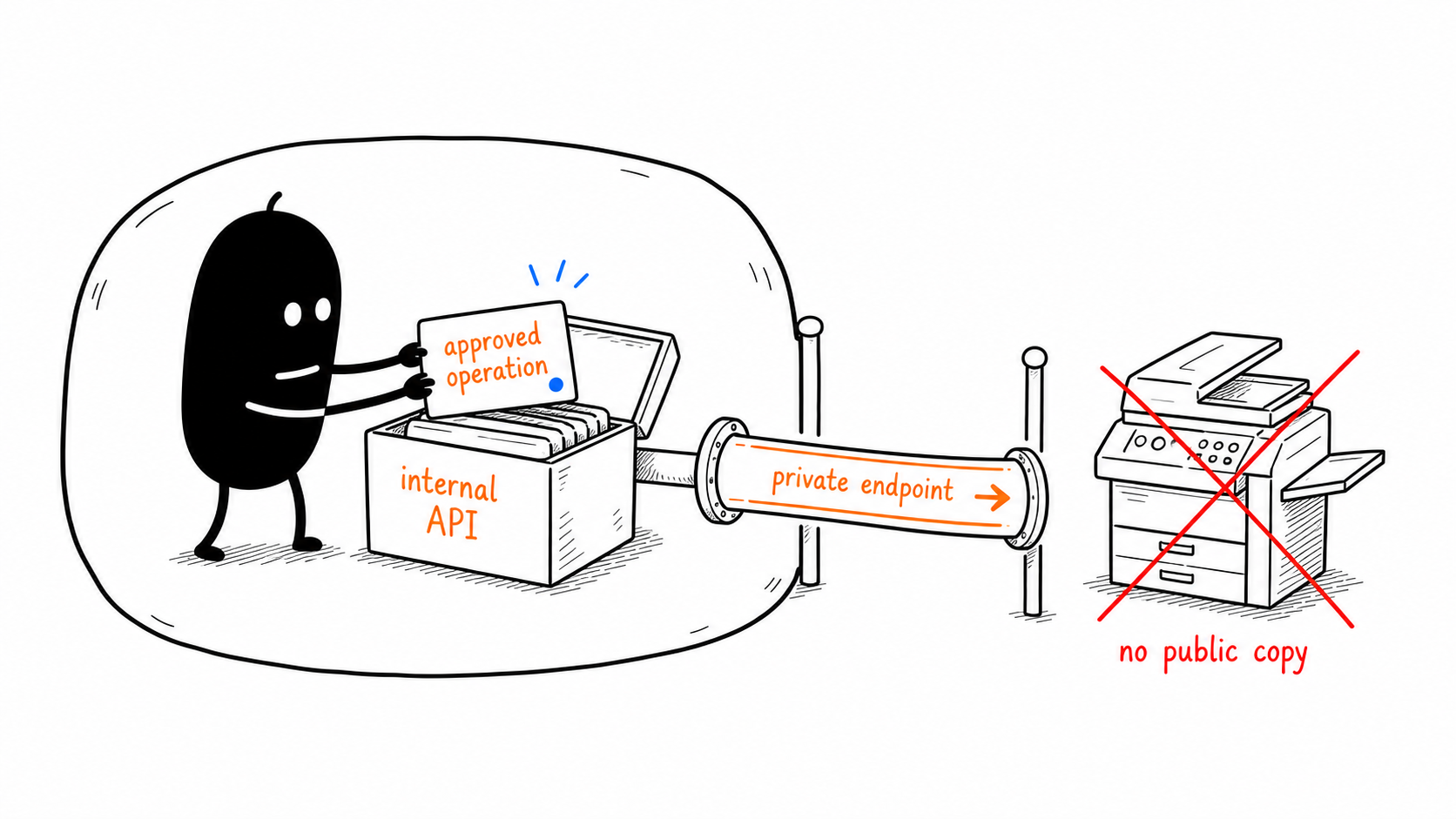
Why it mattersAPI-to-MCP should not require copying the API into a public surface.
Connector Health Report
Connector heartbeat, last-seen state, and status report show whether the path is ready.
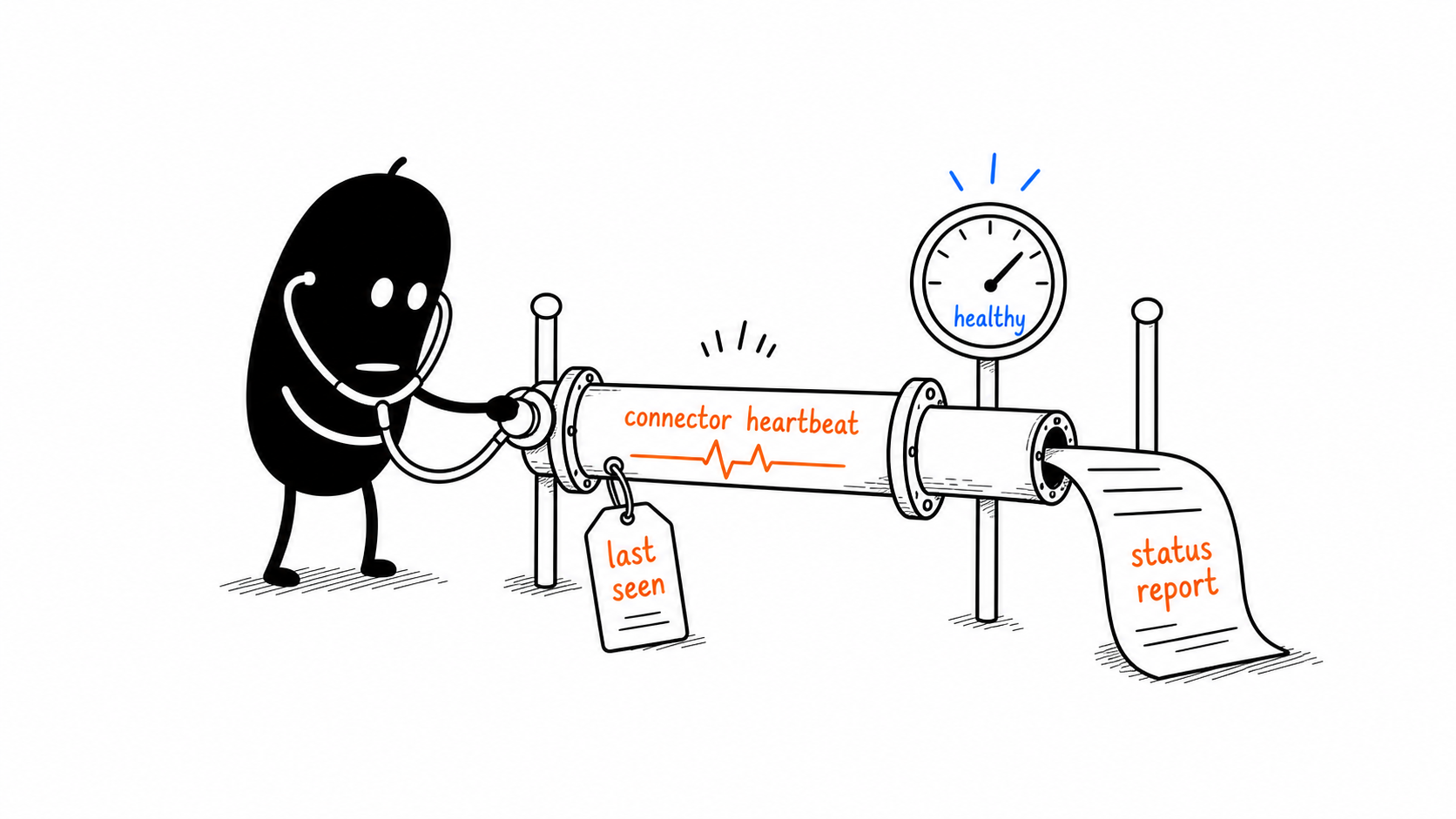
Why it mattersOperators need path health before blaming policy or the backend.
Unhealthy Path Visible
When a route is unhealthy, requests wait and operators get a visible notice.
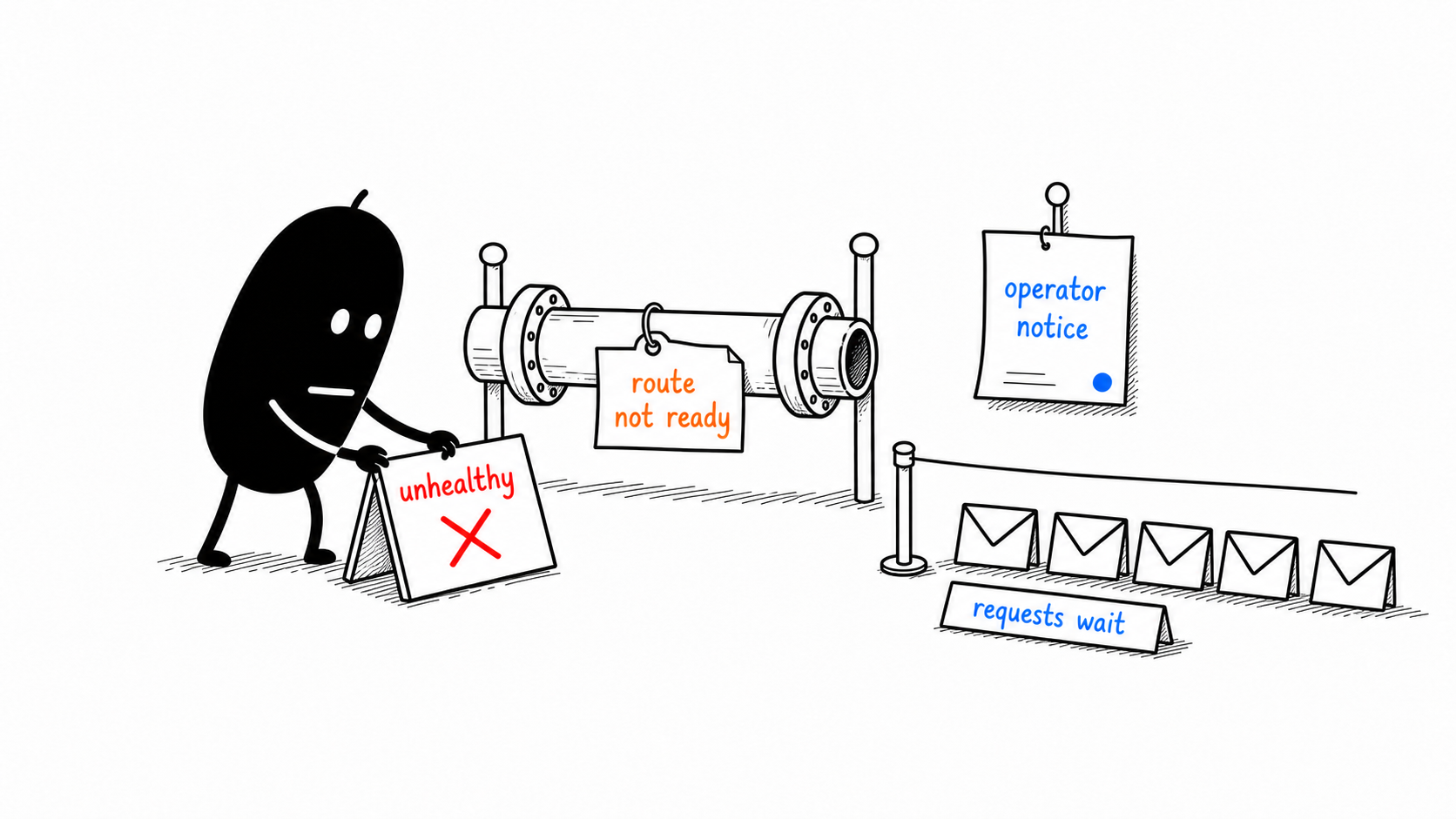
Why it mattersPrivate routing needs observable failure states, not silent confusion.
Connector Revocation
A connector can be revoked, cut from the path, and recorded with a reason.
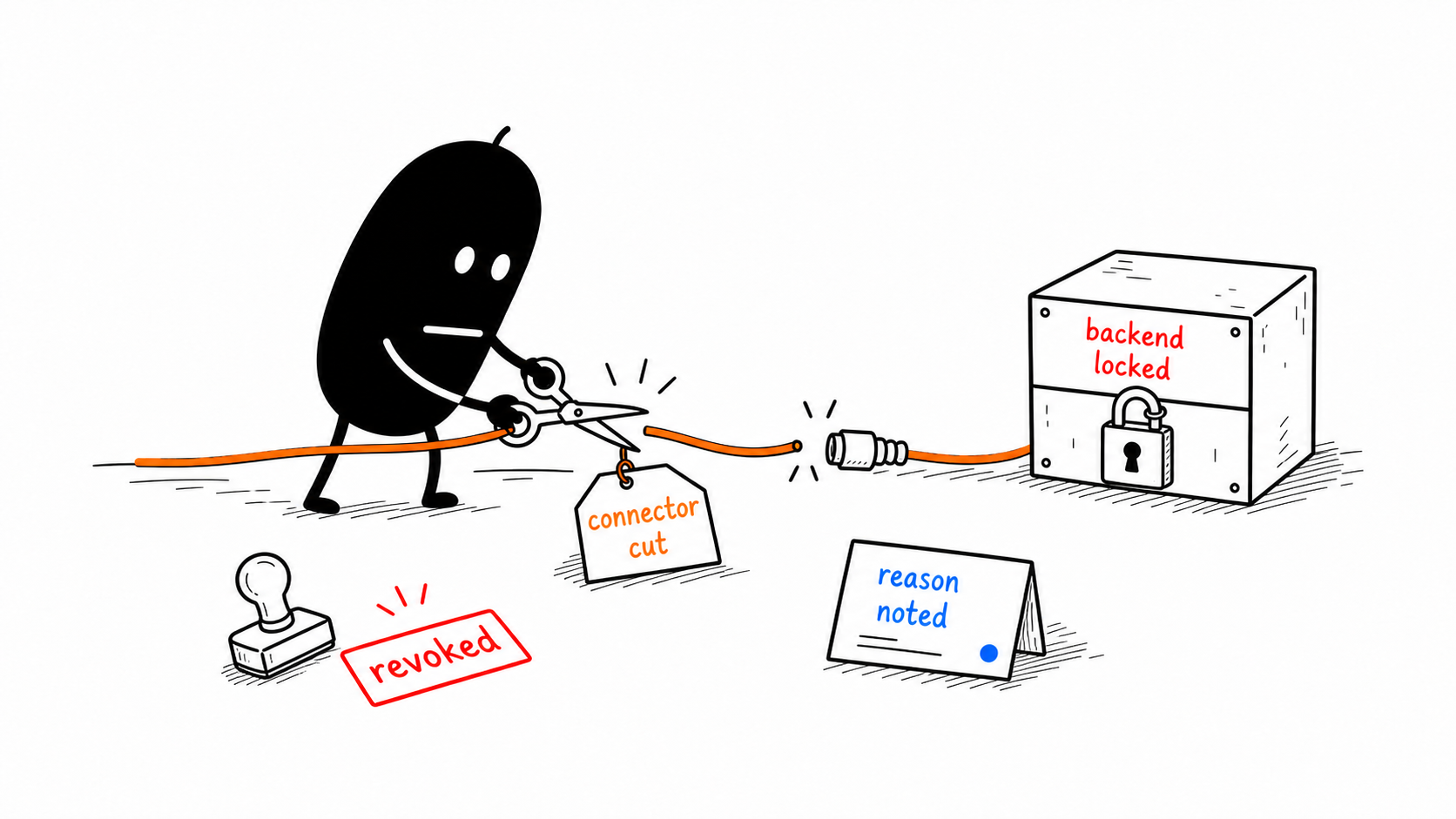
Why it mattersEvery private route needs a clean stop control.
Connector Path Audit
Path metadata ties connector ID, backend ID, policy decision, and timestamp together.
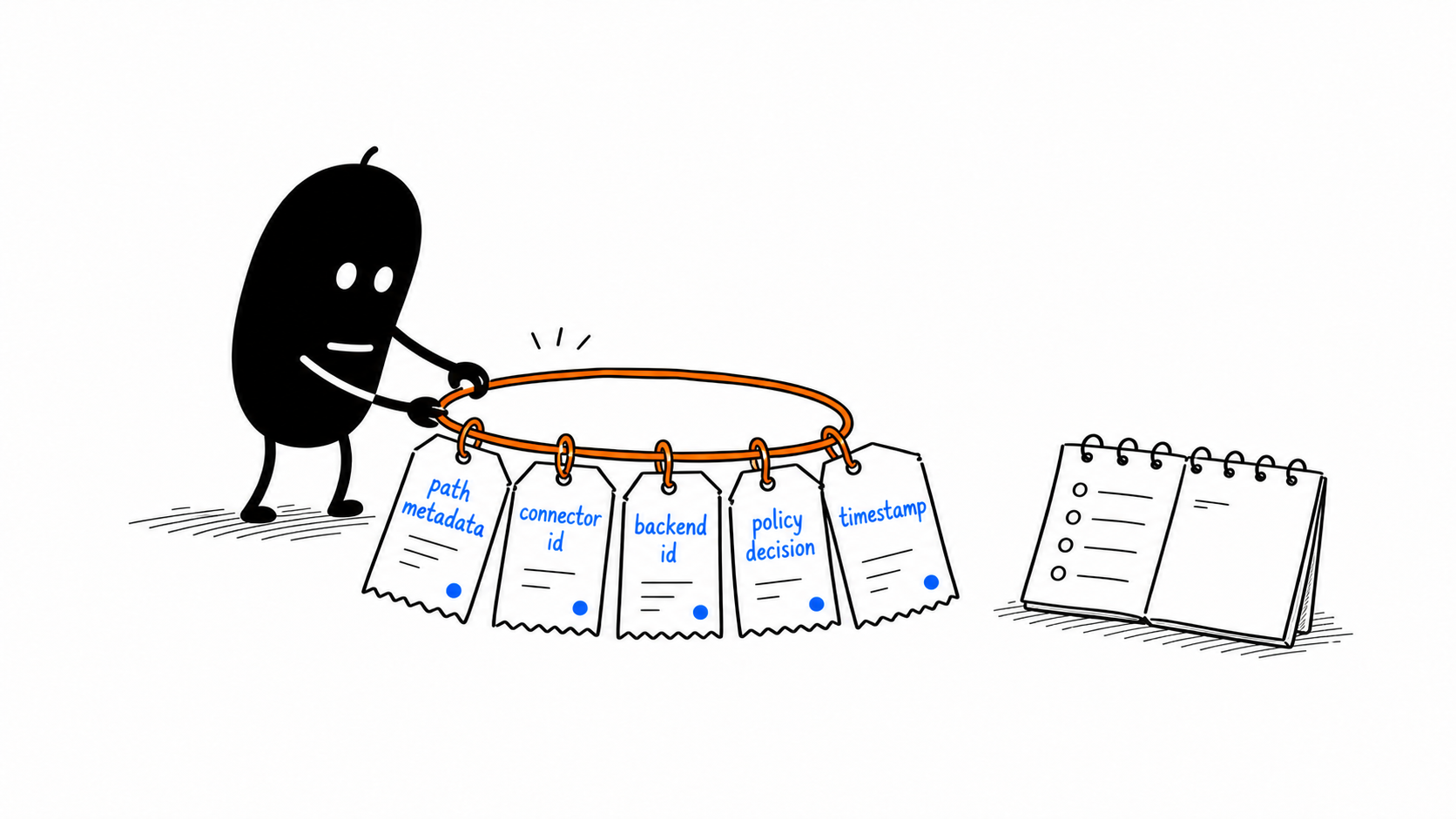
Why it mattersAudit should explain not only who called a tool, but how the private route was used.
Private connectivity
Reach a private system without public exposure
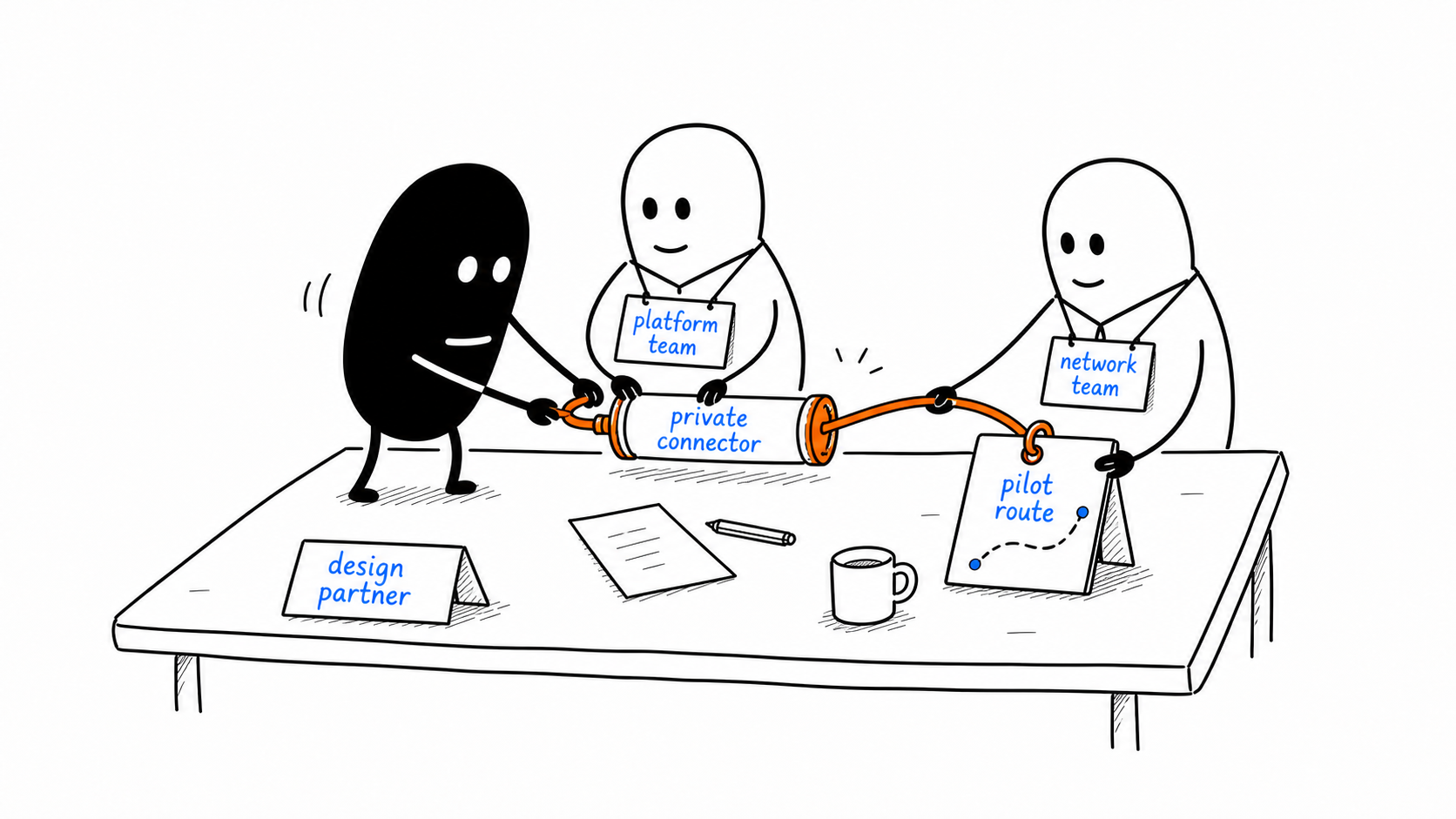
We are looking for teams whose platform and network teams want governed MCP access to private systems.
Start with one private MCP server or one internal API operation. Define the connector path, authenticate it, allowlist the backend, run a tool call, observe health, test revocation, and review the path audit together.
The goal is to prove private access without public exposure.
Talk to our team