Start With A Seeded Receipt
The drill starts from a specific request, agent run, tool call, and time window.
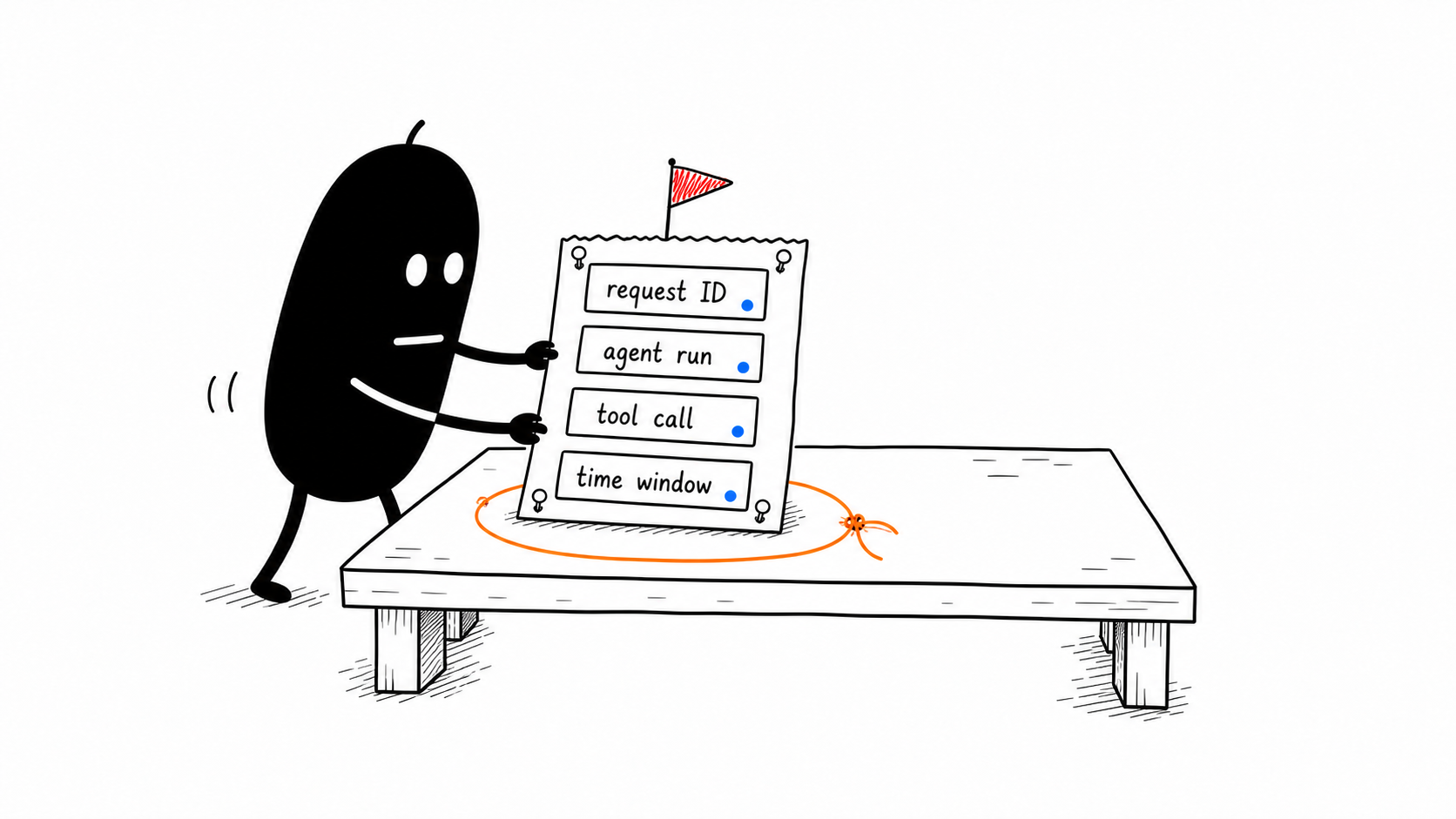
Why it mattersIncident work needs a concrete anchor, not a vague suspicion.
Search The Audit Shoebox
Audit search narrows by actor, tool, and session ID.
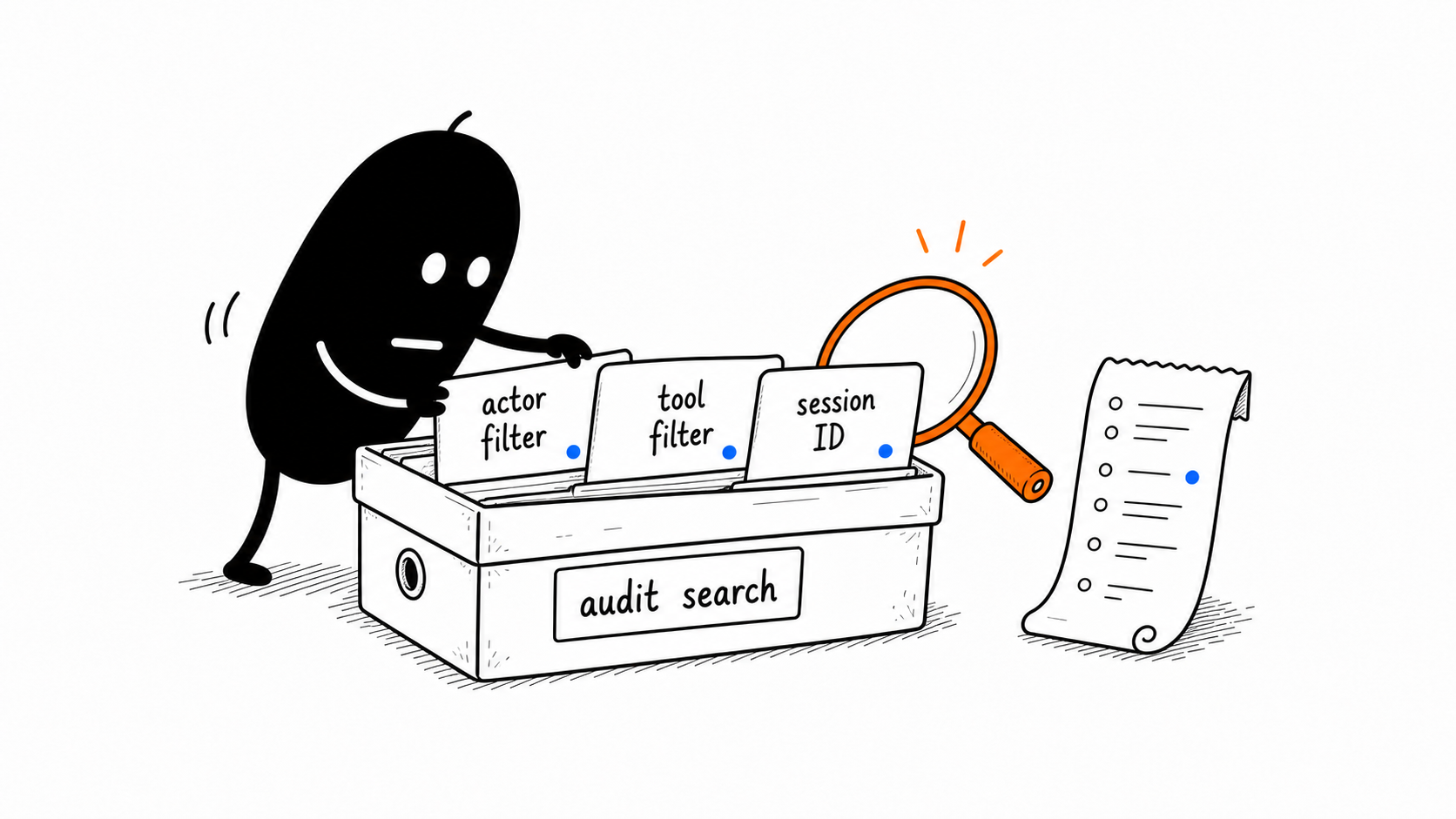
Why it mattersFast filtering lets admins reconstruct the path before taking action.
Rebuild The Actor Chain
The trail ties user, agent, agent instance, and client surface together.
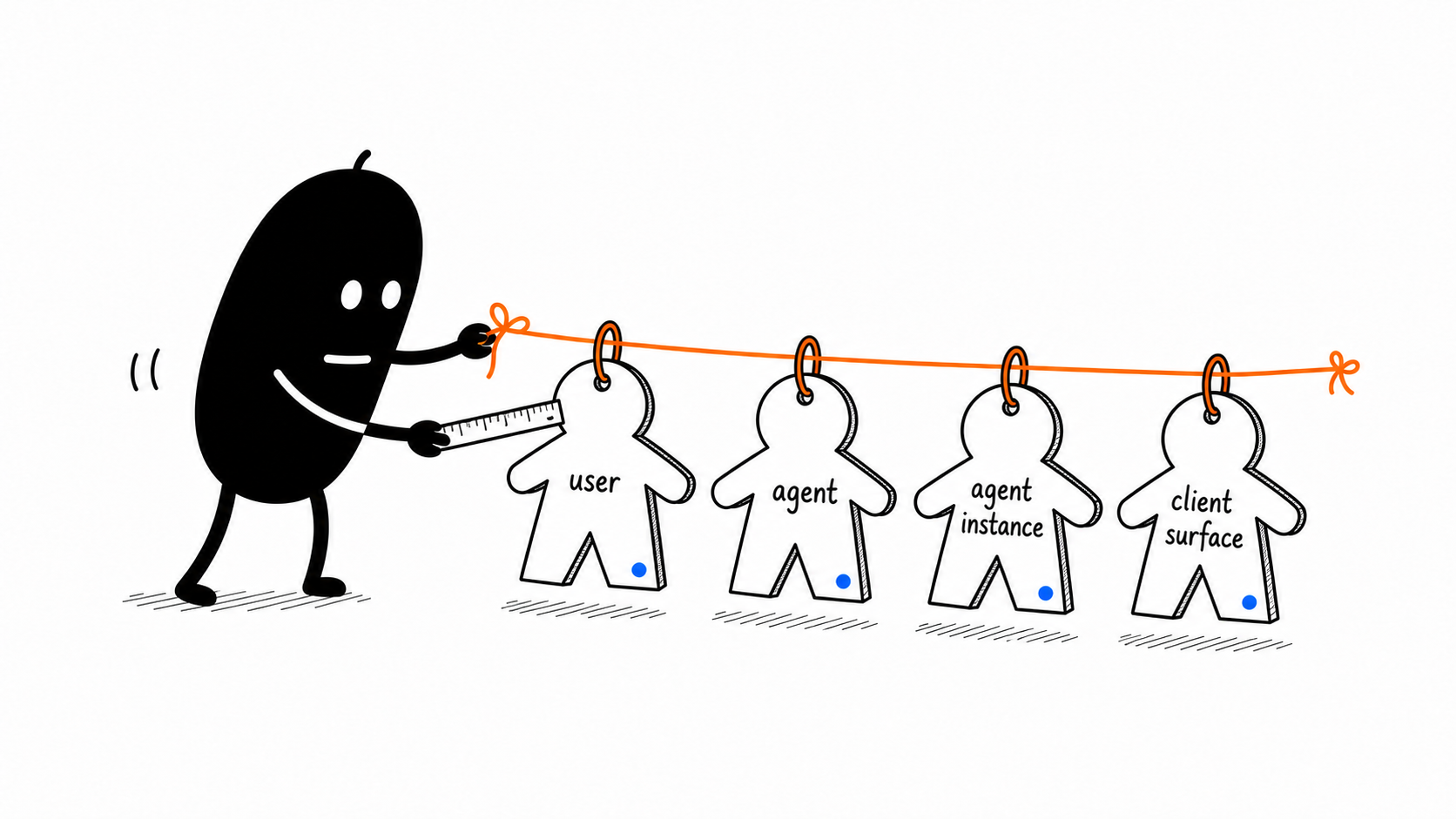
Why it mattersAccountability depends on knowing who or what acted in which context.
Read The Policy Version Ticket
The decision includes the policy version, matched rule, environment, and outcome.
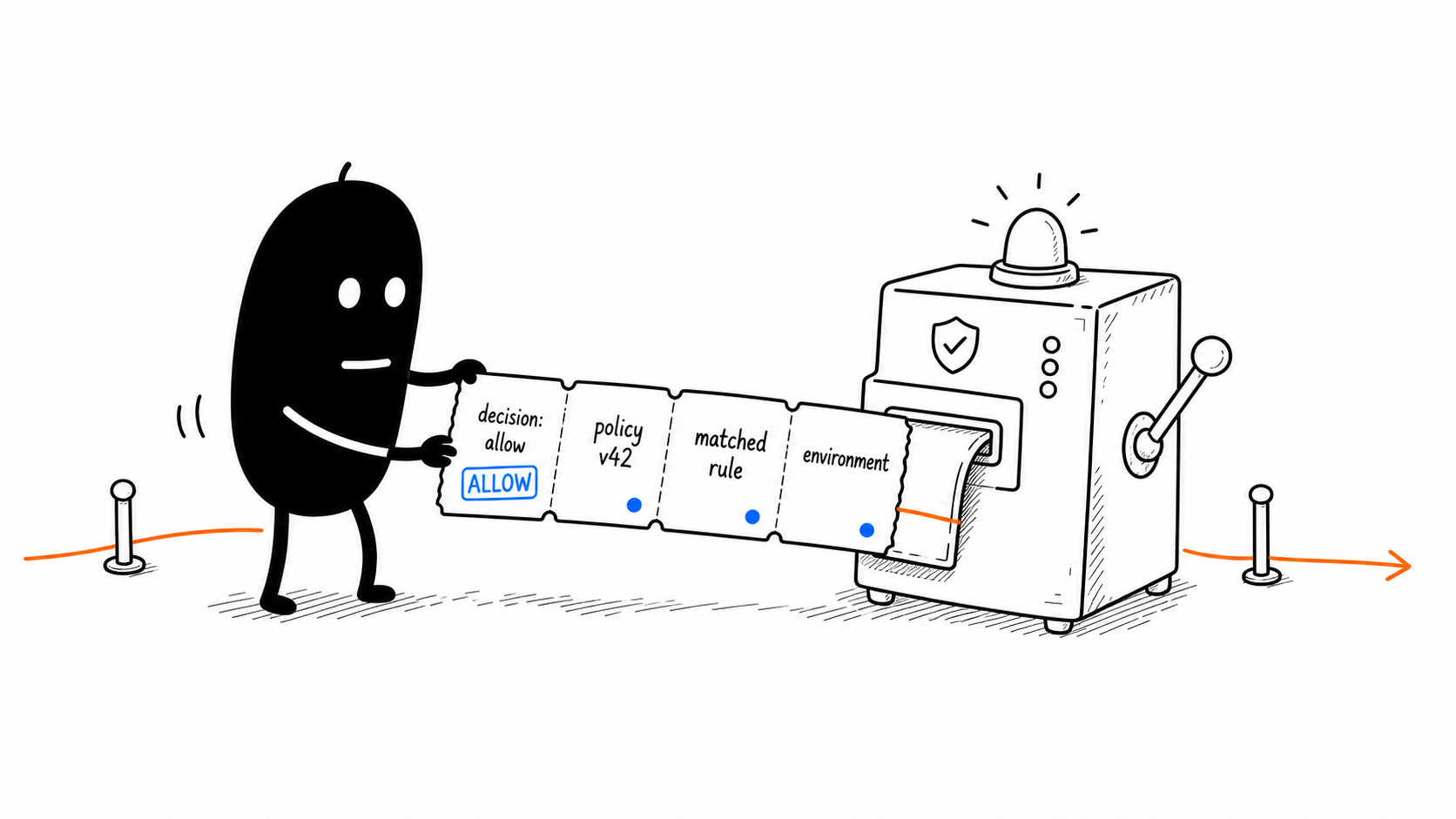
Why it mattersA decision without versioned context is hard to explain or reproduce.
Inspect Credential Mode
The receipt shows credential mode and binding reference without exposing secret values.
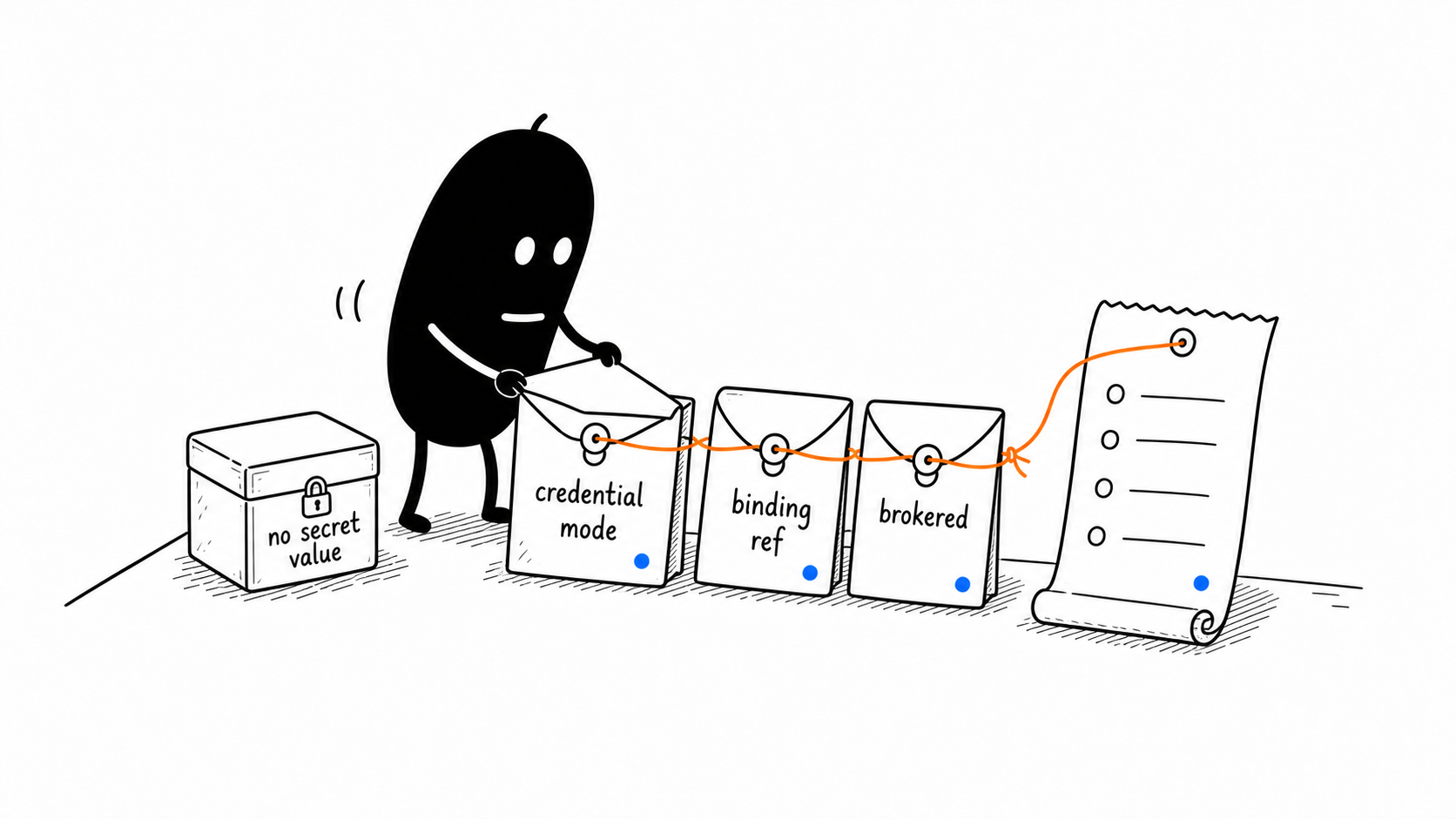
Why it mattersSecurity can evaluate blast radius while keeping sensitive material out of logs.
Trace The Connector Path
The drill checks connector ID, private route, backend, and route status.
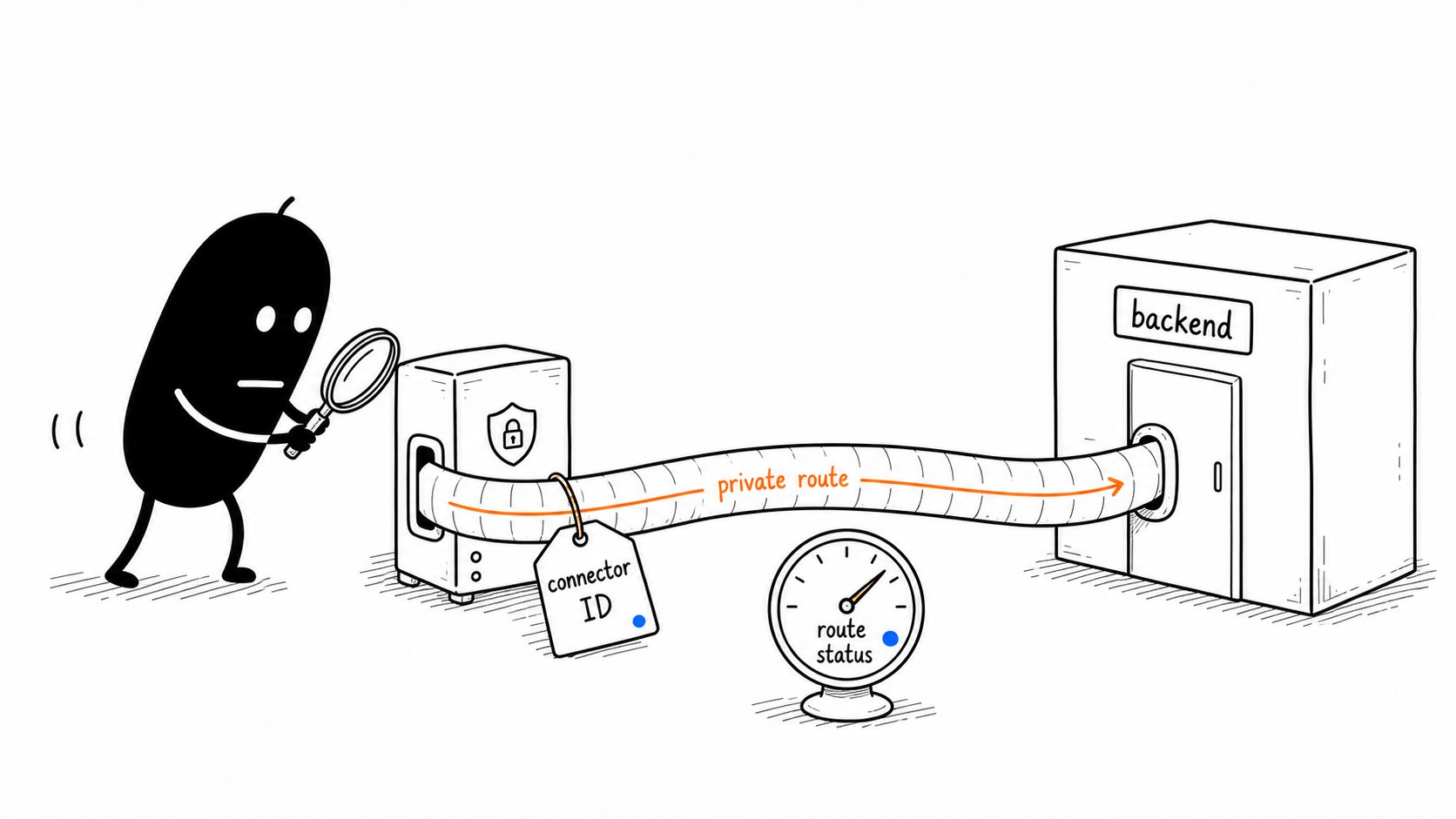
Why it mattersPrivate routing must be visible enough to explain where traffic went.
Inspect Session State
Client and backend sessions show active state and idle limits.
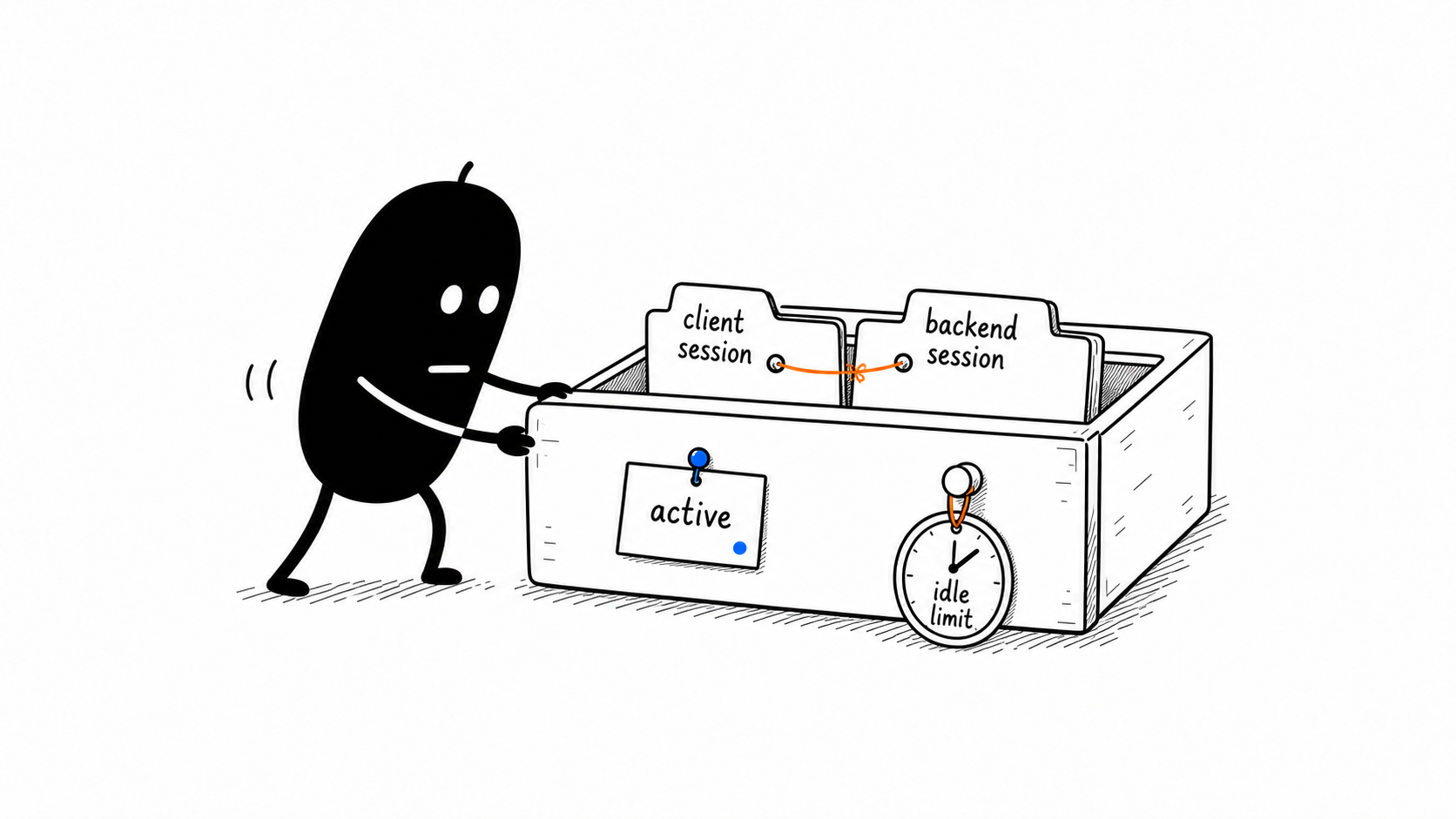
Why it mattersMCP incidents often require session-level decisions, not only token or user decisions.
Read Deny Diagnostics
Explicit denies carry a reason code, rule hit, and developer note.
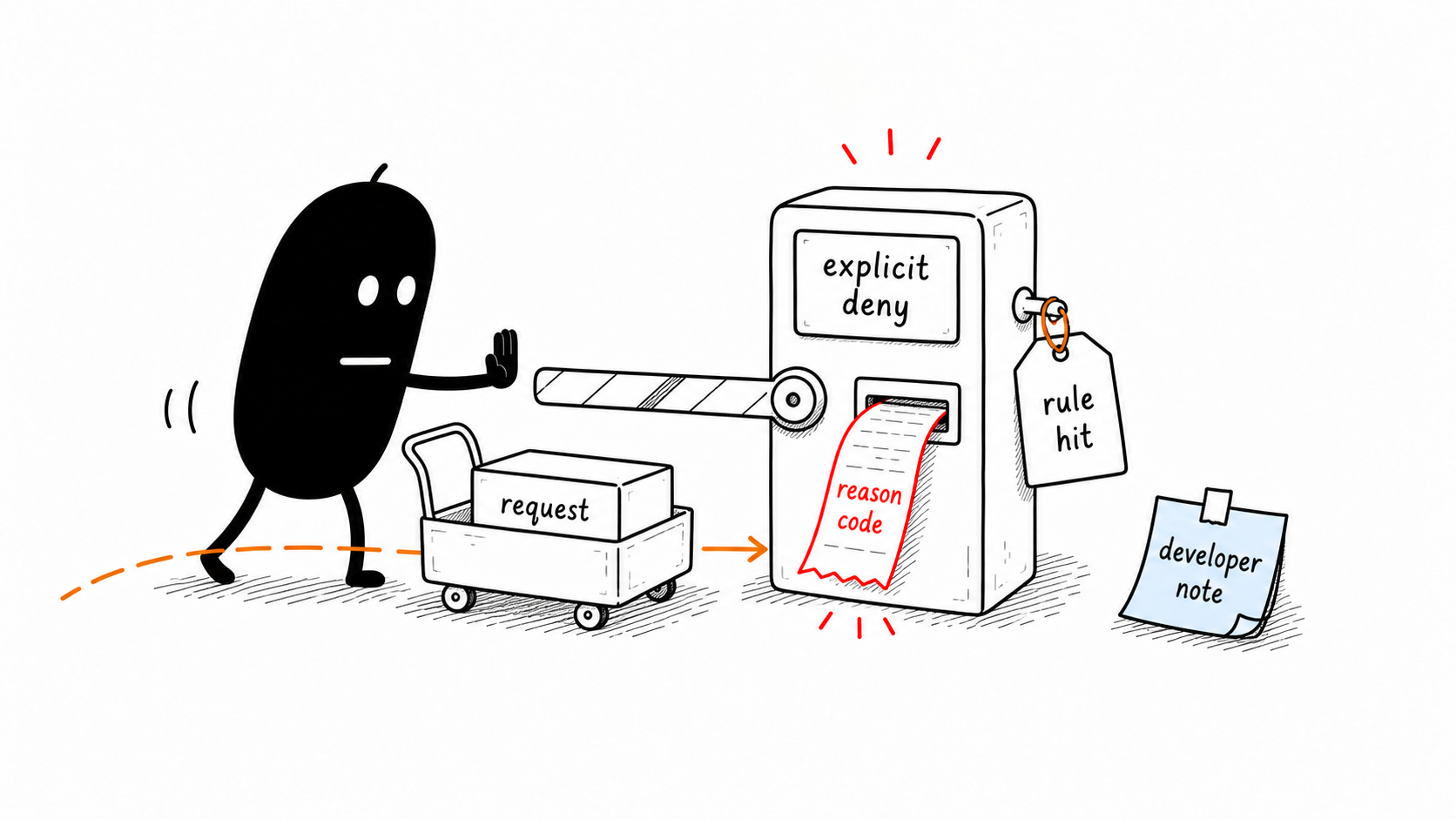
Why it mattersClear deny evidence reduces blind debugging and support loops.
Preview Impact
The admin previews affected sessions, agents, credential bindings, and connectors.
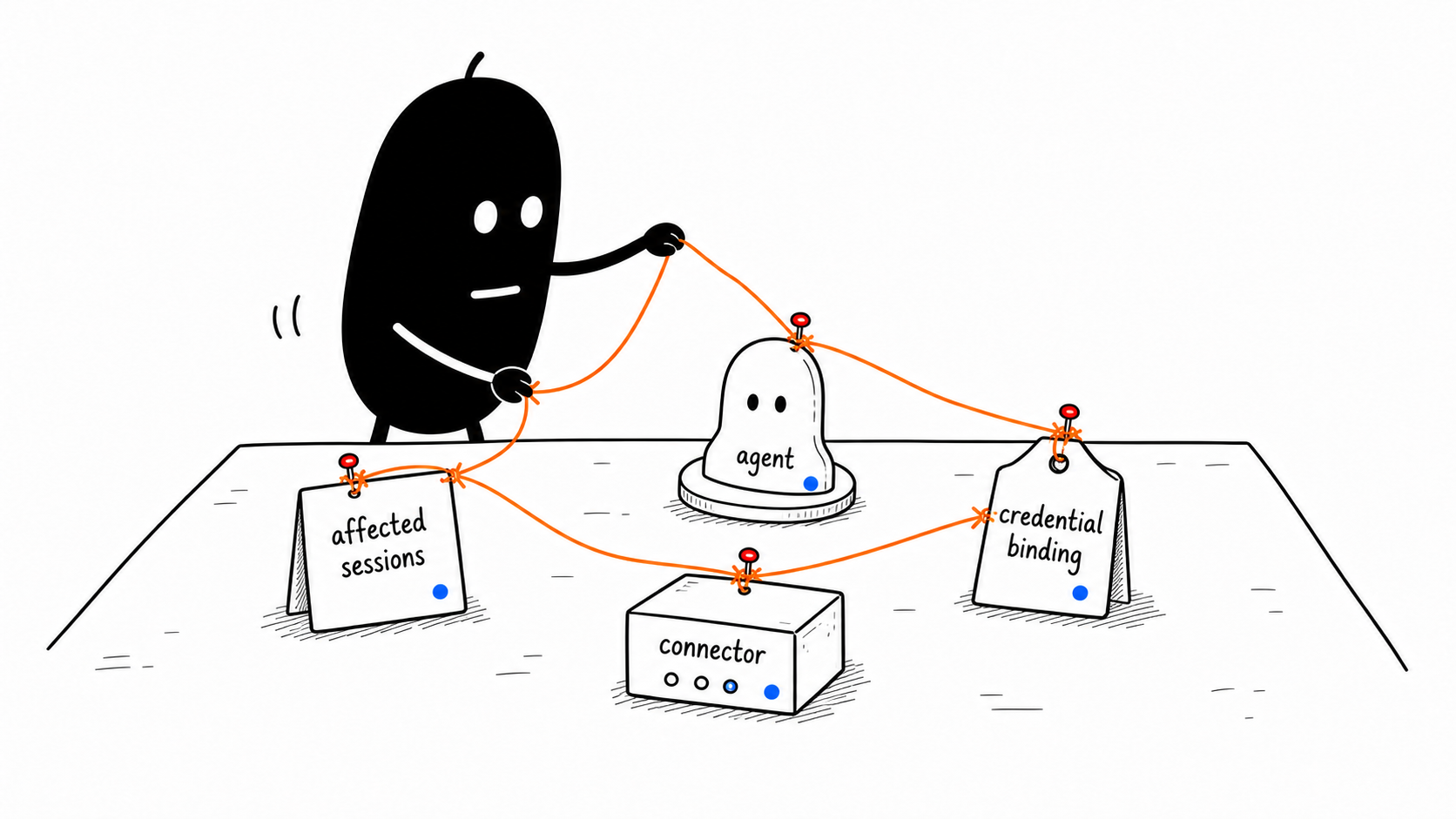
Why it mattersRevocation should be decisive but not blind.
Disable And Revoke
The admin disables the agent path, revokes binding, records a reason, and confirms.
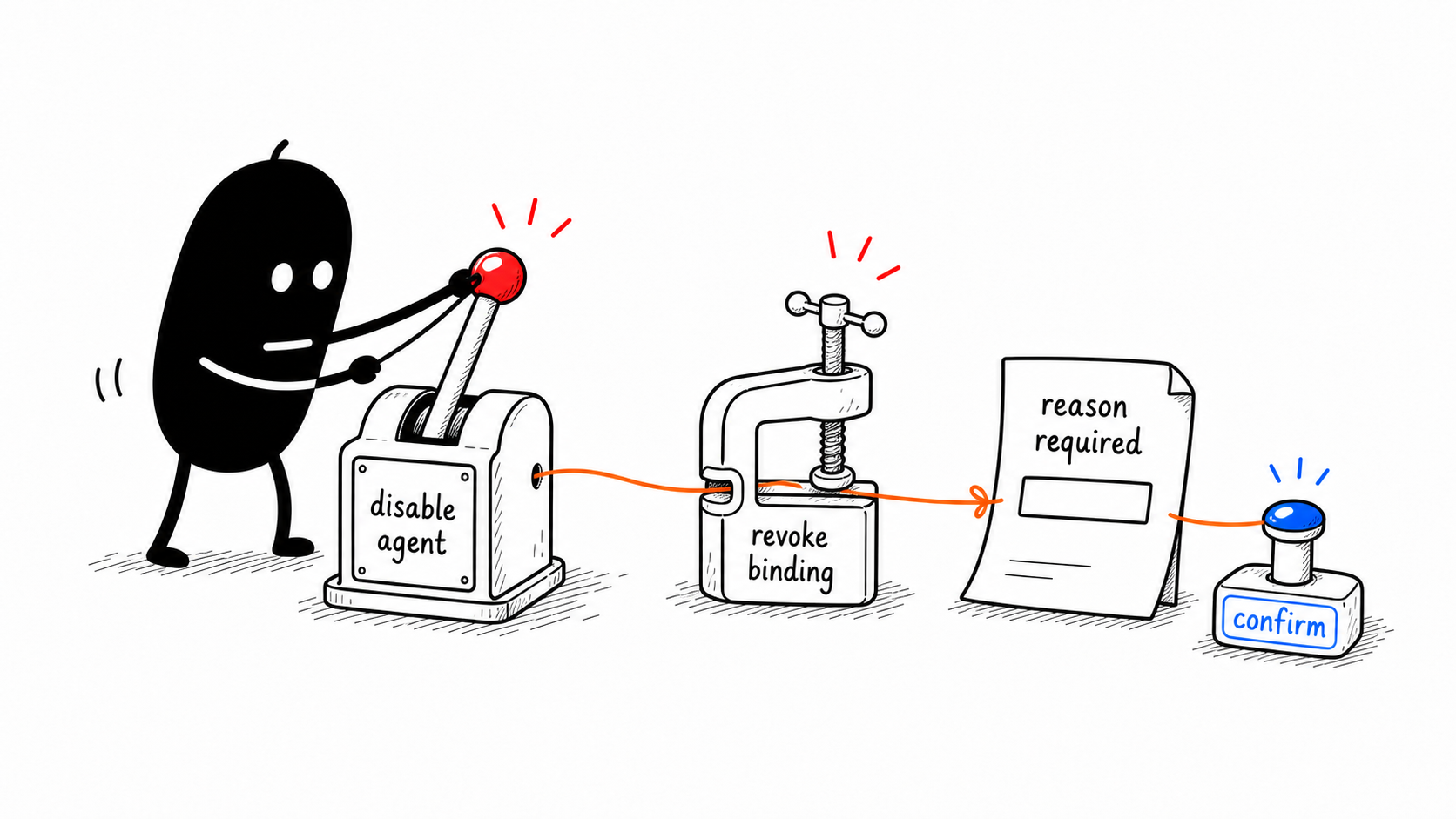
Why it mattersStop controls need intentional confirmation and a reviewable reason.
Terminate Sessions
Client and backend sessions can be terminated after revocation.
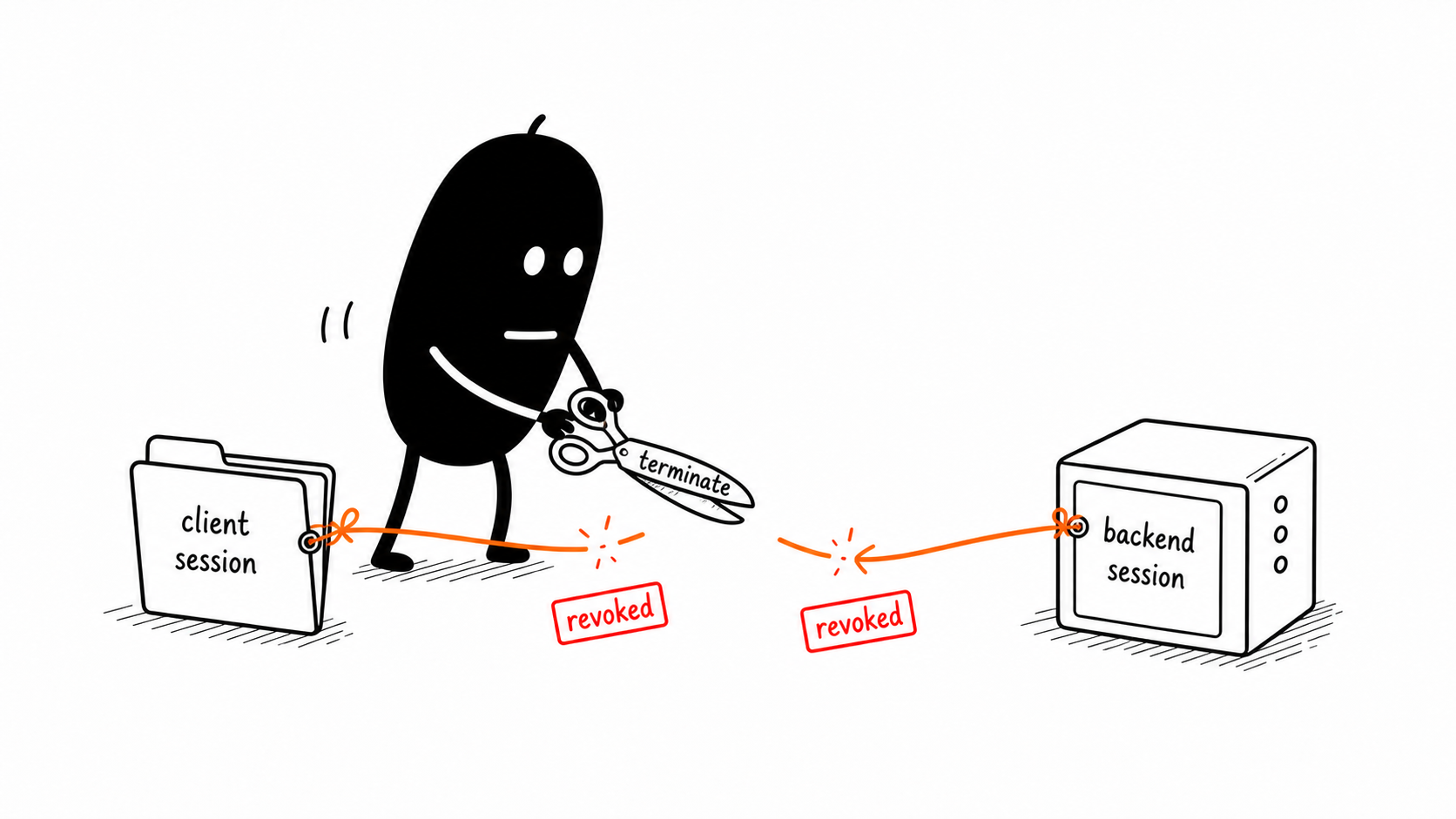
Why it mattersRevoking future access is not enough if active sessions can keep running.
Write Admin Audit
The admin action records who changed what, affected IDs, and time.
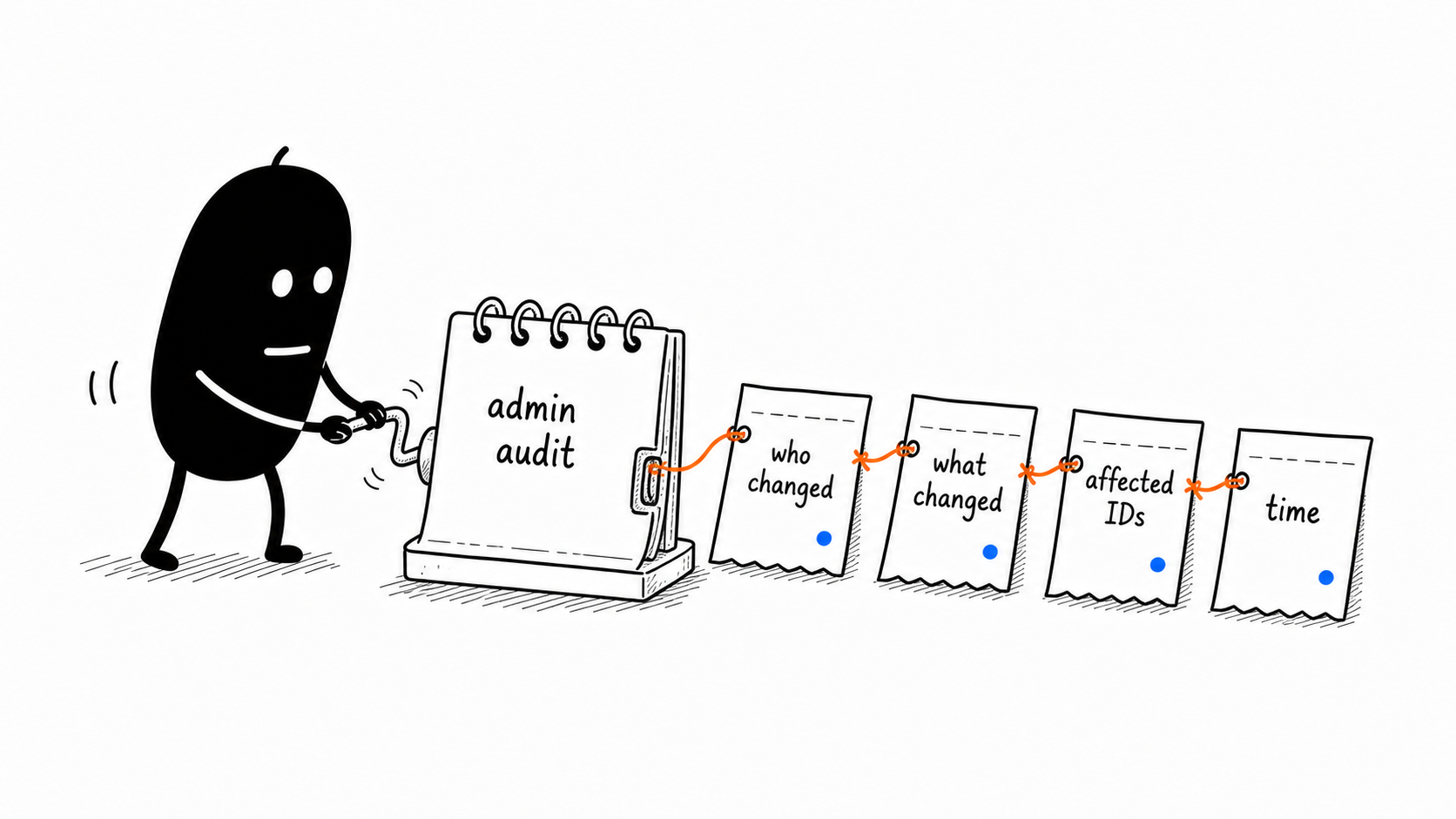
Why it mattersIncident drills should produce evidence of the response, not only the original event.
Security operations
Run the incident drill on your own setup
We are looking for teams who want to rehearse governed MCP incident response with real operational constraints.
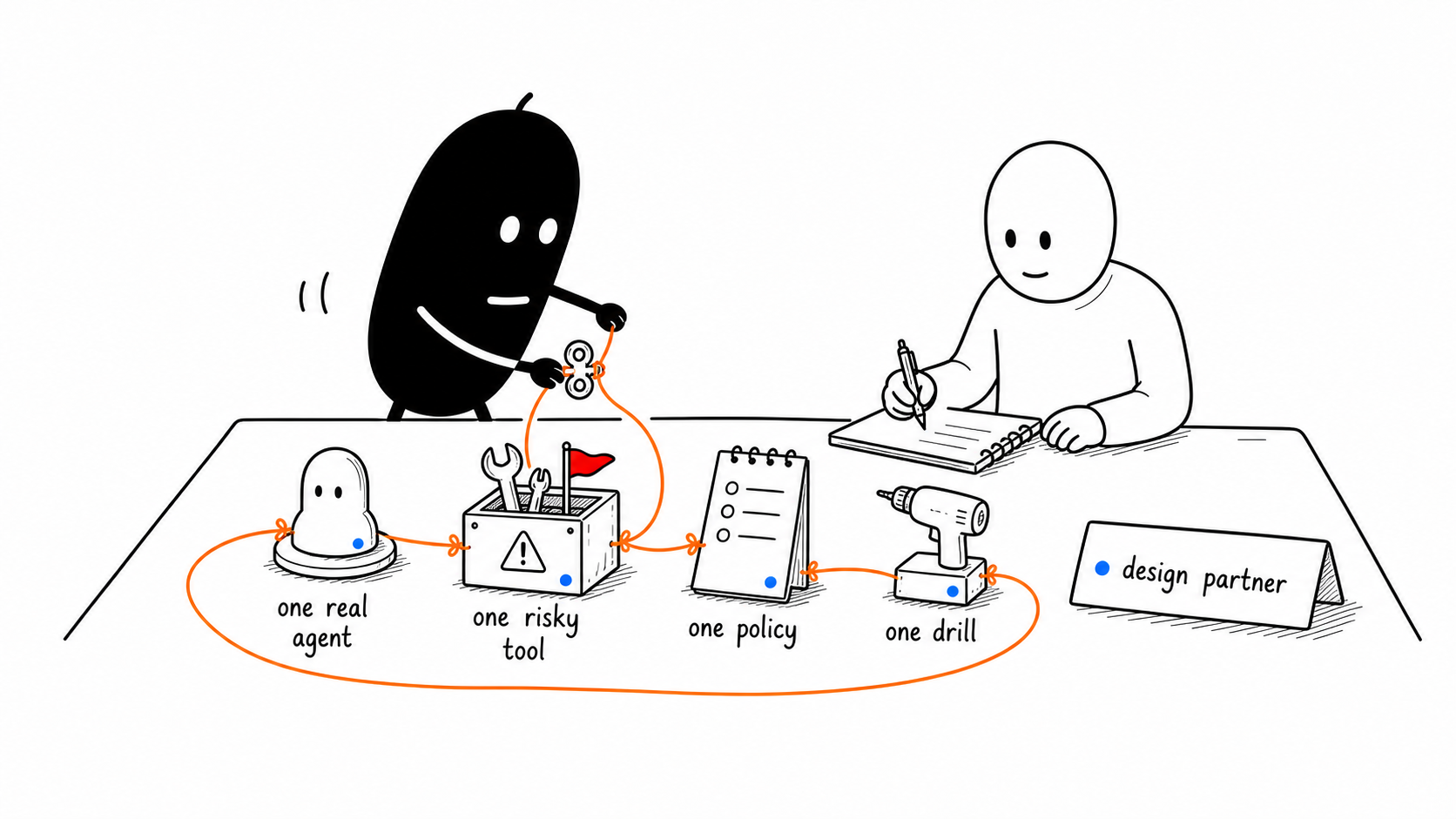
Start with one real agent, one risky tool, one policy, and one drill. We will trace the call, inspect the decision path, test deny diagnostics, revoke the binding, terminate sessions where needed, and review the admin audit trail together.
The goal is simple: prove that MCP adoption can be useful and stoppable before it expands.
Schedule a drill